
Request Information
Ready to find out what MSU Denver can do for you? We’ve got you covered.
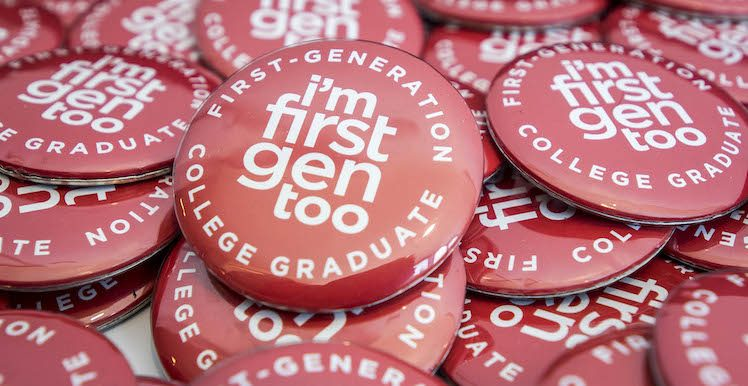
Nearly two-thirds of MSU Denver students are considered first-generation college students and are enrolled in every academic major across campus. MSU Denver defines a first-generation student as an individual whose parents or legal guardians did not earn a four-year college degree (bachelors) in the United States. MSU Denver adds “in the United States” to the federal definition be more inclusive to our students’ realities and cast a wide net to support students.
Although supporting first-generation students involves many of the same inclusive teaching practices that support all students, it can be valuable to view our learning environments through the unique lens of first-generation students.
Below are some general as well as specific ideas for supporting first-generation students, shared by a recent faculty panel. The panel included Dr. Jessica L. Parker, Professor of English; Dr. Arijana Barun, Lecturer of Biology; Dr. Christine Sheikh, Student Academic Services Specialist; and Cristóbal Garcia, former Associate Director of First-Generation Initiatives.
Build Community
- All students benefit from feeling a sense of belonging in their courses, but first-generation students may especially need intentional community-building efforts to reduce feelings of isolation and self-doubt.
- Learn the names and pronouns of your students. This small step shows that you care about them as individuals.
- Connect students with each other. Use small groups, create a supportive space where all student voices are heard and welcomed, and/or give students time and directives to find study partners and learn from each other. Dr. Barun changes seat assignments throughout the semester to allow students to get to know each other.
- Check in with students both academically and as a human. Dr. Parker reaches out to the class a few times each semester just to see how things are going in their lives.
- Show up a bit before class and stay afterwards to chat informally with students.
Demystify the Hidden Curriculum of College
- Navigating higher education involves understanding numerous acronyms, technical terms, and norms. Students have been known to think that office hours signify a time when faculty are busy and do not want to be disturbed. Beyond inviting students to take advantage of your office hours, explain what office hours are and why they should attend.
- Offer guidance, support, and encouragement to help students navigate the college experience. Dr. Barun uses office hours to support students with their academic and career paths more so than as a tutoring space.
- Help students communicate with their families about what is involved in being successful in college, for example, how much work is involved in taking a 12-credit hour load. Take it further and give assignments that connect the content of the class to the community or that students would want to share with their families.
Normalize Academic Support
- First-generation students may have had to be very self-sufficient through life and are used to figuring out things on their own. Dr. Sheikh notes that first-generation students may not know how to ask for help. First-gen students have often had to be very independent in their academic careers, and may see asking for help as a sign of weakness or failure.
- Normalize academic support by sharing how all students can benefit from developing their academic skills.
- It’s easy for students to think their instructors were always successful in school and never have to struggle with coursework. Share your own past and current struggles. For example, let them know when you had a journal article sent back for revision.
Build a Growth Mindset
- Some students may have a fear of being labeled or “being remedial.” As Dr. Parker shares, no person is remedial, we all have academic strengths and areas for growth. Avoid a deficit mindset and focus on learning and growth.
- Create a class culture where it is okay not to know something or how to do something. In fact, that is the entire goal of education, to grow and learn!
- Help students set their own goals and self-assess their own learning and see their progress. Acknowledge and celebrate big and small successes beyond grades, from low absences to improved test scores.
- Take it further by exploring frameworks such as Tara Yosso’s Cultural Wealth Model that acknowledge different types of talents, strengths, and experiences that students bring to the college environment (Yosso, 2005).
Explain How your Course Works
- Realize that students are continually moving from course to course and each course is different and operates by different rules and norms. Don’t assume students know how your class works. Dr. Parker makes sure to ask students what questions they have, rather than if they have any questions.
- Be transparent. Explain your teaching approaches and why activities or assignments will help students learn the material.
- Send frequent emails and “over-explain” your assignments. Consider adding a video explanation or having students build an FAQ list in Canvas themselves as questions arise.
Develop Relevant, Challenging Courses
- Get to know your students’ interests and values. Diversify your content to the extent possible to bring in relevant examples and help students connect to the material.
- Use low-cost or no-cost Open Educational Resources (OER) materials when available.
- Encourage open communication and a supportive atmosphere where students feel comfortable asking questions and sharing their perspectives.
- Help students develop a sense of connection to the class and the content. Include collaborative and relevant projects and help students see how the material applies to their lives.
Consider Flexible Policies
- Acknowledge that first-generation students may face unique challenges related to academic expectations, family support, and financial burdens.
- To the extent possible, provide some flexibility on assignments or attendance policies. Dr. Parker gives all students a three-day grace period on major assignments. This reduces back and forth email explanations and provides students with a chance to submit better work when life gets in the way.
- Rethink what is “fair.” If your syllabus says that no late work is accepted, but in reality, you give an extension to a student who asks and has a “good excuse,” then that is not really your policy. In that case, the policy is to provide an extension only to those who feel emboldened to ask. Provide a transparent policy to all students.
- Reach out to students when they are missing for a while. Students have many things going on in their lives, and they may feel embarrassed or reluctant to reach out, especially if it feels they have no hope of catching up. Try to have some standard plans for make up work and let students know when it’s not too late to catch up and complete the course.
Connect Students to Academic Services on Campus
- Did you know that MSU Denver provides a tutoring program (in-person and virtual), supplemental instruction program, teaching assistant program, academic success coaching, and academic skills workshops? Students can take advantage of free one-on-one or small group coaching sessions.
- Direct students to workshops such as note-taking, time management, overcoming test anxiety, and using AI with honesty and integrity. (View the schedule of workshops.)
- Dr. Barun spends the first few minutes of class sharing a resource, that includes not just academic skills workshops, but resources such as the Writing Center, food pantry, student health center, or the role of faculty and academic advisors.
Overall, help students see the value they bring to your classrooms and help create a path where it is more likely they will be successful.
And if you were a first-generation student yourself, share that with your students!
Resources
View a recording of the faculty panel.
Find out more about MSU Denver first-generation student initiatives.