
Have Questions? We have answers.
Contact UsFor many detail-oriented romantics, wedding planning isn’t just a passion — it’s a viable and fulfilling career path.
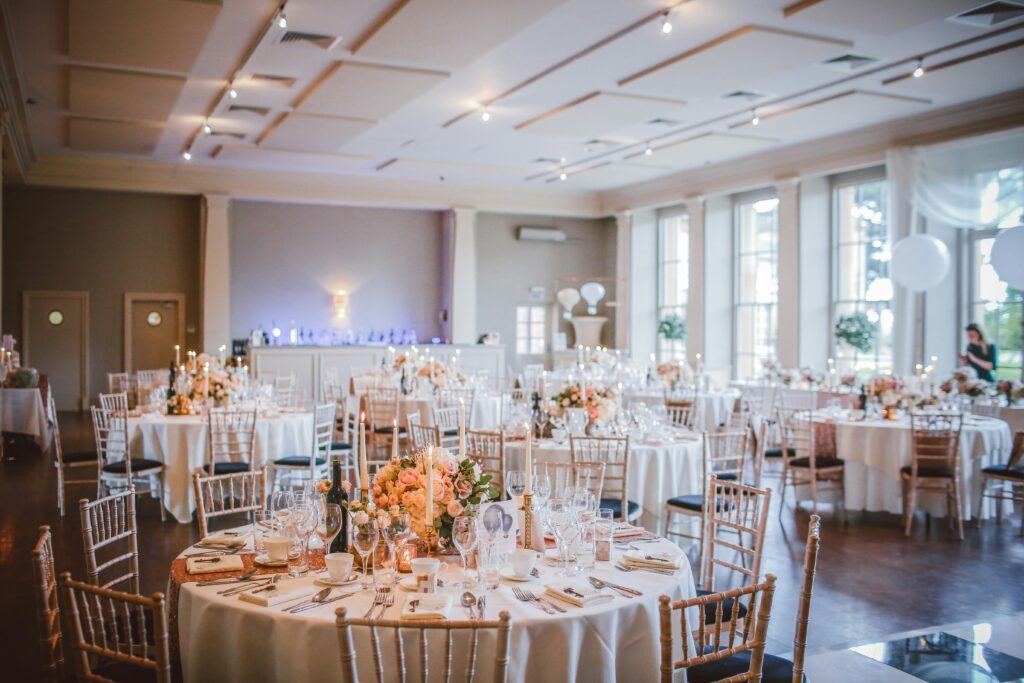
If your camera roll is full of centerpieces, you cry at every vow exchange (even on TV), and you’ve secretly planned your own Pinterest-worthy wedding down to the napkin rings — this might be more than just a hobby.
The wedding industry is booming, with U.S. couples spending billions annually on their big day. From intimate elopements to elaborate weekend-long events, weddings today require expert coordination, creative vision, and organizational excellence. That’s where professional wedding planners come in — and where your love for weddings can transform into a successful profession.
Why Wedding Planning Is a Promising Career Path
As wedding expectations grow, so does the demand for skilled planners who can turn visions into reality. Wedding planning is a rewarding career that combines logistics, creativity, and relationship-building. It allows you to:
- Be your own boss – Many planners run their own businesses or work freelance.
- Work in beautiful environments – Venues, floral studios, and luxury events are your new workspace.
- Make a lasting impact – You’re guiding couples through one of the most meaningful days of their lives.
- Tap into creativity – Themes, decor, and custom timelines are all opportunities for self-expression.
Plus, the wedding industry offers a level of flexibility and variety rarely found in traditional office jobs. No two events are alike, and every client brings a new story, culture, or challenge to the table.
Who Makes a Great Wedding Planner?
You don’t need years of experience or a degree in event planning to get started. What you do need is a unique blend of soft and hard skills, such as:
- Excellent communication – From vendors to clients, you’ll be in constant contact.
- Impeccable organization – Keeping track of schedules, contracts, and budgets is a must.
- Cool under pressure – Weddings can be high-stakes and emotional. Planners need to problem-solve on the fly.
- Creative vision – A sense of style and aesthetics goes a long way.
- Empathy – You’re often helping couples navigate stressful moments with grace.
If you already possess some of these strengths, formal training can help you polish them while filling in any gaps.
Why Formal Training Matters
While some planners are self-taught, most successful professionals invest in education to fast-track their careers and ensure they’re ready for real-world challenges. That’s where MSU Denver’s Wedding Planning Course comes in.
This non-credit, online course gives aspiring planners the foundational skills they need to break into the industry with confidence. Designed for flexibility, the program is ideal for working adults, career changers, or anyone looking to explore wedding planning as a side hustle.
What You’ll Learn in MSU Denver’s Wedding Planning Course
This self-paced program covers essential topics such as:
- Budget planning and vendor management
- Contract negotiation and timelines
- Ceremony and reception logistics
- Cultural and religious customs
- Client communication and expectations
- Starting your own business or working for an agency
You’ll walk away with the tools to craft timelines, plan floor layouts, and manage client relationships like a pro.
Industry Insights: What’s Trending in Weddings?
To stand out in the wedding industry, it helps to stay current with the latest trends. Here are a few planning movements gaining traction in 2025:
- Sustainable weddings – Eco-friendly vendors, reusable decor, and low-waste catering are increasingly popular.
- Nontraditional venues – Think gardens, museums, and private homes instead of ballrooms.
- Hyper-personalization – Couples want unique experiences that reflect their story.
- Tech-enhanced events – Live streaming, digital RSVPs, and online planning platforms are becoming the norm.
MSU Denver’s Wedding Planning Course prepares students to adapt to these changes and meet evolving client expectations.
Career Opportunities After Certification
Once you complete the course, your career options are broader than you might think. Wedding planning skills are transferable to multiple roles, including:
- Independent wedding planner
- Event coordinator for a venue
- Bridal consultant
- Day-of coordinator
- Destination wedding specialist
- Vendor liaison for florists, caterers, or photographers
Plus, you’ll be prepared to launch your own planning business—armed with templates, checklists, and the confidence that comes with structured training.
Real-Life Success: From Passion to Profession
Many people come to wedding planning after working in unrelated fields—hospitality, education, sales, even healthcare. What they all have in common is a desire to bring joy, organization, and creativity to people’s most important milestones.
With the flexibility of MSU Denver’s course, you don’t need to put your life on hold to pursue this dream. You can complete the program on your schedule, start networking with vendors in your community, and gradually build your portfolio.
Before long, your “passion project” could be your full-time profession.
Building Your Portfolio and Client Base
Even before you land your first paying client, you can begin building a portfolio by:
- Volunteering to help friends and family
- Assisting other planners as an intern
- Participating in styled shoots with local vendors
- Creating a website or social media presence to showcase your work
MSU Denver’s course helps you prepare for this stage by showing you how to professionally present your skills and approach your first bookings with confidence.
Balancing Creativity and Logistics
Successful wedding planners are equal parts artist and project manager. On one hand, you’re curating color palettes, selecting linens, and brainstorming one-of-a-kind experiences that reflect each couple’s story. On the other, you’re drafting production schedules, reviewing rental orders, and confirming vendor arrival times down to the minute. Developing systems that allow the creative and logistical sides to coexist is what sets seasoned planners apart.
Practical ways to strike this balance include:
- Design Boards Paired with Timelines – Present your style concepts side-by-side with task deadlines so clients see how inspiration translates into action.
- Vendor Huddles Early and Often – Loop florists, photographers, and caterers into the design vision while reviewing set-up constraints, power needs, and venue rules.
- Contingency Playbooks – A sudden weather change or missing centerpiece shouldn’t derail an event. Document Plan B options (indoors vs. outdoors, rentals on standby) long before the big day.
MSU Denver’s Wedding Planning Course introduces templates for mood boards, production schedules, and risk-mitigation checklists, giving you tools to keep artistry and execution in perfect harmony.
Earnings, Growth Paths, and Continuing Education
Income for wedding planners varies by region, service level, and experience, but industry surveys show strong earning potential:
- Entry-level coordinators assisting with day-of logistics often charge $800–$1,500 per event.
- Full-service planners managing design, vendor selection, and budgeting frequently earn $3,500–$7,000 per wedding.
- Luxury or destination specialists can command $10,000 or more, especially when overseeing multi-day celebrations.
Beyond planning single events, many professionals diversify their revenue by adding in-house floral design, rental services, or corporate and nonprofit event management. Others advance into venue management, brand collaborations, or education—mentoring new planners through workshops and online courses.
To keep skills sharp, consider:
- Membership in professional associations such as the Association of Bridal Consultants (ABC) or Wedding International Professionals Association (WIPA).
- Conferences and bridal market expos for trend forecasting and vendor networking.
- Advanced certificates in floral design, event décor, or hospitality management—often stackable with MSU Denver’s lifelong-learning offerings.
With multiple income streams and ongoing professional development, wedding planning can evolve into a long-term, scalable career that grows alongside your ambitions.
Tips for Getting Started in Wedding Planning
Breaking into the industry doesn’t have to be intimidating. Here are a few tips to get you started:
- Take the course – Formal training helps you stand out and feel prepared.
- Start small – Offer your services for intimate weddings, backyard celebrations, or vow renewals
- Network intentionally – Connect with florists, venues, DJs, and photographers. Referrals are gold in this business.
- Stay organized – Use planning software and checklists to manage events efficiently.
- Keep learning – Attend bridal expos, read industry blogs, and stay up to date on trends.
The MSU Denver Advantage
MSU Denver’s Wedding Planning Course is part of the Career Launchpad program designed for busy adults who want practical skills and actionable results.
With expert instruction, real-world scenarios, and a fully online format, this program empowers you to turn your passion into a paycheck — on your own terms.
You don’t need a degree in hospitality or years of experience. You just need the right training, the right mindset, and a love for helping people celebrate life’s most meaningful moments.
Take the First Step Toward a Career You’ll Love
If you’ve always been the go-to person for party planning, or if you find yourself drawn to the beauty and emotion of weddings, it’s time to turn that interest into something more.
Start with MSU Denver’s Wedding Planning Course and begin your journey toward a career that blends creativity, professionalism, and heartfelt celebration.
The path to becoming a wedding planner doesn’t require luck — it requires action. And your first step starts now.


Contact us
Meet our teamPhone: 303-615-1234
Email: [email protected]
Office Location:
Jordan Student Success Building
3rd Floor – #330
Auraria Campus
Mailing Address:
MSU Denver
Innovative and Lifelong Learning
P.O. Box 173362
Campus Box 6
Denver, CO 80217-3362