
Have Questions? We have answers.
Contact UsHere's why understanding disease as a living, evolving process will change how you care for your patients.
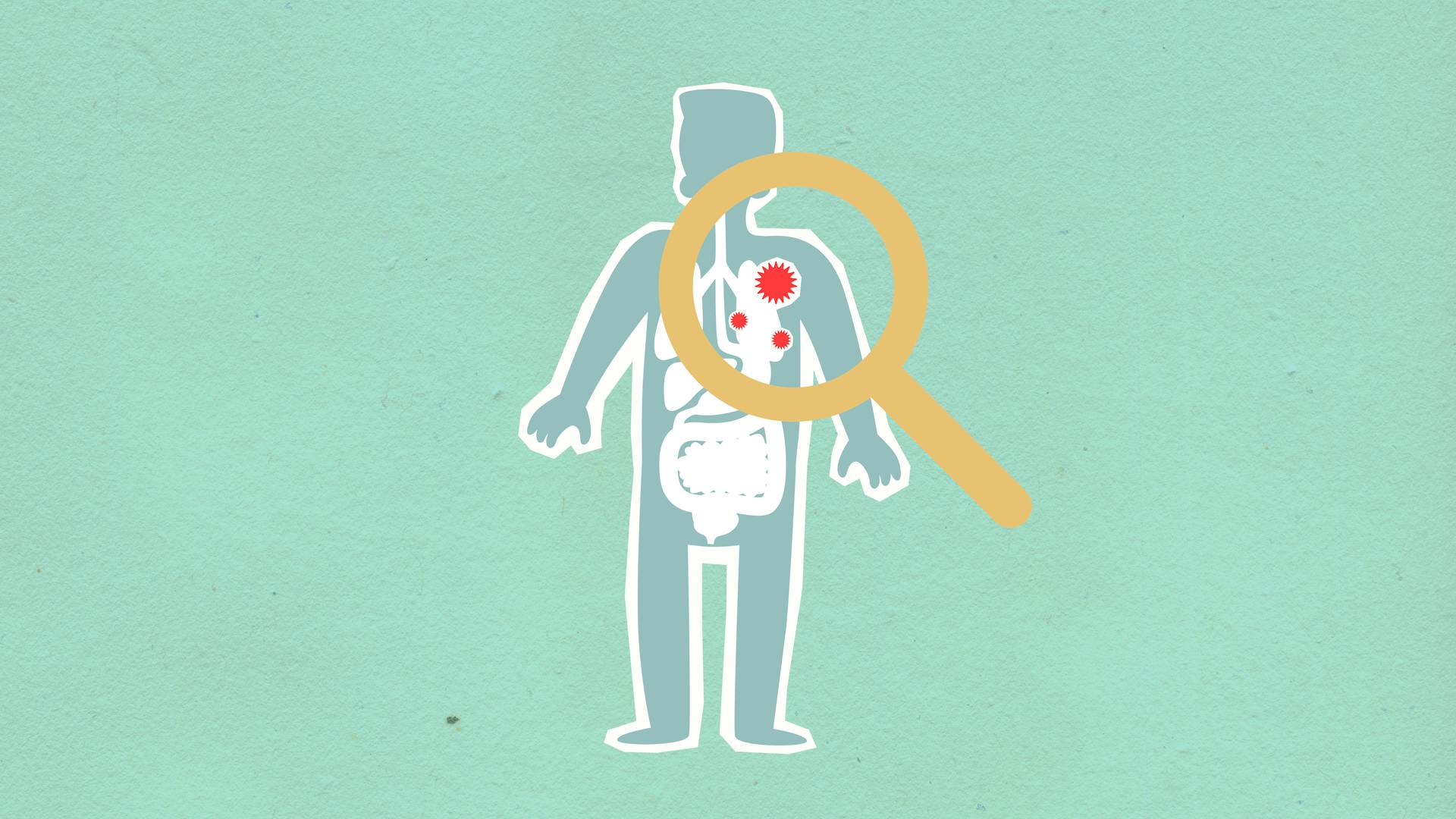
For healthcare professionals and students, the moment you truly understand how diseases develop, progress, and affect the human body and mind (not just clinically, but holistically), your entire approach to patient care transforms. You stop seeing a diagnosis as a collection of symptoms and start understanding the dynamic, evolving process that your patient is living through.
This shift in perspective is not just intellectually satisfying. It makes you fundamentally more effective at your job, more skilled at communicating with patients and families, and better equipped to support healing and management across every healthcare setting.
What Are Disease Dynamics?
Disease dynamics refers to how diseases develop, persist, and change over time within the human body. It’s the study of disease processes, like how a healthy system becomes disrupted, how that disruption progresses, and how the body attempts to compensate or heal.
Unlike memorizing that “diabetes is high blood sugar,” understanding disease dynamics means comprehending how insulin resistance develops, why some people progress to Type 2 diabetes while others don’t, how high blood sugar damages blood vessels and organs over time, and why a patient with diabetes faces increased risks for heart disease, kidney failure, and vision loss. It’s the why and the how, not just the what.
Disease dynamics also extend beyond the purely biological. It includes understanding how psychological factors influence disease progression. How grief and stress can worsen heart disease. How depression affects immune function and wound healing. How a patient’s beliefs about their condition shape their willingness to manage it. How family dynamics and social support alter health outcomes.
This comprehensive understanding of how diseases actually work across biological, psychological, and social dimensions is what separates competent healthcare professionals from exceptional ones.
Why Disease Dynamics Knowledge Matters in Healthcare Work
Healthcare professionals work with disease every day, yet many have never formally studied how diseases actually develop and progress across the lifespan. This gap in knowledge affects the quality of care they can provide.
When you understand disease dynamics, you grasp the interconnection between conditions. You recognize that the patient in front of you isn’t simply dealing with one isolated disease, they’re managing disease systems. A person with Type 2 diabetes is at higher risk for cardiovascular disease, kidney disease, and neuropathy. Those conditions interact. A healthcare professional who understands these dynamics can anticipate complications, screen proactively, and help patients understand why multiple aspects of their care matter.
Understanding disease dynamics also changes how you interpret what patients tell you. When a patient says they’re “tired all the time,” a surface-level response might be to suggest they sleep more. But understanding disease dynamics helps you recognize that fatigue could signal depression (a common companion to many chronic diseases), medication side effects, disease progression, or the enormous psychological and physical effort of managing illness itself. You ask better questions. You think more deeply. You catch things that matter.
How Disease Knowledge Transforms Patient Communication
One of the most immediate ways disease dynamics knowledge changes your healthcare work is in how you communicate with patients.
Many healthcare professionals are trained to simplify medical information for patient understanding. That’s important. But professionals who understand disease dynamics can explain information in ways that help patients actually grasp what’s happening to their bodies and why their care plan matters.
Suddenly, the patient understands not just what to do, but why it matters. That understanding drives compliance and engagement.
With disease dynamics knowledge, you also recognize the stages of disease. You know that early interventions can halt or slow disease progression. You can explain to patients why catching something early matters so much. You can help them understand that managing risk factors now prevents future disease. You become not just a care provider, but an educator who helps patients make sense of their health.
Professionals with strong disease dynamics knowledge also recognize psychological responses to disease, like fear, denial, grief, anger, and understand these as natural reactions to a fundamentally altered situation. This changes how you respond. Instead of dismissing emotional reactions, you acknowledge them while helping patients move toward management and healing.
Disease Dynamics Across Different Healthcare Roles
Understanding disease dynamics applies across every healthcare setting and role.
- Nurses use disease dynamics knowledge to recognize subtle changes in patient status that signal disease progression or complications. They anticipate what patients will need next in their disease trajectory and provide proactive education and support.
- Physicians and physician assistants use it to make diagnosis and treatment decisions informed by understanding not just current symptoms but disease trajectory and potential complications. They communicate prognoses more accurately and help patients understand their condition in context.
- Patient educators and health coaches use disease dynamics to design teaching that helps patients understand their condition deeply enough to make informed decisions about their care. They explain why lifestyle changes matter, how they affect disease progression, and what patients can realistically achieve.
- Mental health counselors and social workers use disease dynamics knowledge to understand how disease progression affects psychological well-being and how emotional health feeds back into disease management. They help patients process the emotional reality of living with disease while supporting their medical care.
- Community health workers use disease dynamics to explain conditions to underserved populations in culturally appropriate ways. They understand the barriers to managing disease and can help connect people to resources that make management actually possible.
- Care coordinators and case managers use disease dynamics to anticipate what their patients will need as diseases progress and to coordinate care across specialists and settings. They recognize disease interactions and communicate with the full care team about interconnected needs.
Even in non-patient-facing roles, such as laboratory technicians, radiologists, and medical records specialists, understanding disease dynamics changes how you approach your work. You recognize the significance of the results you generate or the records you manage. You understand that your accuracy and care directly affect patient outcomes.
The Biological and Psychological Sides of Disease Progression
One crucial aspect of understanding disease dynamics is recognizing that disease progresses through both biological and psychological dimensions simultaneously.
Biologically, diseases follow patterns. Inflammation develops. Tissues degenerate. Systems fail. But alongside those biological processes, patients experience psychological reactions: fear about what will happen next, grief over lost function, anxiety about treatment side effects, depression triggered by diagnosis, and anger at the unfairness of illness.
Healthcare professionals who understand disease dynamics recognize that these psychological dimensions are not separate from the “real” disease. They are part of the disease experience. A patient’s depression affects how well they manage medication and lifestyle changes, which affects disease progression. Their fear of side effects may prevent them from taking medications that would help them. Their grief may isolate them from social support that would aid their recovery.
The most effective healthcare professionals treat disease holistically, addressing both the biological progression and the psychological-emotional-social responses to that progression. This requires understanding not just pathophysiology but also psychology, resilience, motivation, and human experience.
Building Strong Disease Dynamics Knowledge in Your Career
For healthcare professionals, developing a comprehensive understanding of disease dynamics can happen through several pathways.
Some learn primarily through clinical experience, such as seeing patients over time, observing how diseases progress, and learning from mentors who think deeply about disease processes. Others build this knowledge through formal education in pathophysiology, pharmacology, and disease-specific courses.
The most comprehensive approach combines both. Educational programs increasingly recognize that understanding disease dynamics is essential healthcare knowledge that should be part of foundational training for anyone working in healthcare.
Programs like the Dynamics of Disease course at MSU Denver address this gap by teaching the pathophysiology of common chronic diseases, alongside the psychological, social, and family dimensions of living with disease. Students learn about disease from both the clinical and human-centered perspectives. They examine not just heart disease pathology but how living with heart disease affects a patient’s psychology, family relationships, and quality of life. They study how end-of-life issues affect patients, families, and healthcare providers themselves.
This integrated approach means professionals enter the workforce with both the clinical knowledge and the contextual understanding that makes them truly effective.
How Disease Dynamics Understanding Improves Patient Outcomes
Research consistently shows that when healthcare providers have a deep understanding of disease dynamics, patient outcomes improve.
Patients who understand their disease, how it develops, why it matters, and what they can do about it, are more engaged in their care. They’re more likely to take medications, make lifestyle changes, and attend appointments. They experience better disease control, fewer complications, and improved quality of life. They’re also more satisfied with their care and more likely to trust their healthcare providers.
Healthcare providers with strong disease dynamics knowledge are also better at recognizing when something is wrong. They notice subtle changes that signal disease progression or complications. They anticipate problems before they become crises. They communicate more effectively with other members of the care team because they’re thinking about the whole disease picture, not just isolated symptoms.
This comprehensive understanding makes healthcare providers more valuable to their organizations, more confident in their work, and more satisfied with their careers. They feel they’re making a real difference because they are.
Final Thoughts
Whether you’re early in your healthcare career or looking to strengthen your foundational knowledge, understanding disease dynamics is an investment that pays dividends across every role in healthcare.
MSU Denver’s Innovative and Lifelong Learning programs offer flexible, online courses designed specifically for healthcare professionals who want to build this knowledge in a structured way. The right foundation transforms how you approach your work and how effectively you serve your patients.
Frequently Asked Questions
What’s the difference between knowing disease facts and understanding disease dynamics?
Knowing facts means you can recite that diabetes causes high blood sugar. Understanding disease dynamics means you comprehend how insulin resistance develops, why some people develop diabetes while others don’t, what damage high blood sugar causes over time, and how to help patients manage the disease. It’s depth versus surface knowledge.
Do I need to be a doctor or nurse to understand disease dynamics?
No. While clinicians use disease dynamics knowledge extensively, it’s valuable for anyone working in healthcare, such as administrative staff, mental health counselors, social workers, community health workers, patient educators, and many others. Your application of this knowledge differs by role, but the understanding matters across all healthcare work.
How does understanding disease dynamics help with patient communication?
When you understand how a disease actually works, you can explain it to patients in ways that help them grasp what’s happening to their body and why their treatment plan matters. This deeper understanding on the patient’s part leads to better engagement with their care and better outcomes.
Can disease dynamics knowledge help me anticipate patient needs?
Absolutely. When you understand disease progression patterns, you can anticipate what complications patients might face, what symptoms they might experience next, and what support they’ll need. You become proactive rather than reactive in your care.
How does understanding disease dynamics connect to mental health and psychology?
Diseases don’t just affect the body, they trigger psychological responses like fear, grief, and depression. Understanding disease dynamics means recognizing these psychological dimensions as part of the disease experience, not separate from it. You understand how a patient’s emotional state affects their disease management and their disease progression.
Is disease dynamics knowledge important for prevention work?
Yes. Prevention becomes much more compelling and specific when you understand disease dynamics. Instead of vague advice like “live a healthy lifestyle,” you can explain specifically how disease develops and why early intervention prevents serious complications. This helps patients understand why prevention matters for them personally.
How do I develop disease dynamics knowledge if my training didn’t include it?
You can take courses focused on disease processes and pathophysiology. You can read patient stories and narratives about living with specific diseases. You can seek mentorship from experienced providers who think deeply about disease. You can ask your patients to help educate you about their disease experience.
Does understanding disease dynamics change how I approach chronic versus acute illness?
Yes. With chronic disease, you’re thinking about disease progression over years or decades — how to slow it, prevent complications, and help patients live well despite the disease. With acute illness, you’re thinking about disease trajectory over days or weeks — how to stop the disease process, prevent it from worsening, and return the patient to health. Both require understanding disease dynamics, just applied differently.
How can understanding disease dynamics help me in a non-clinical role?
Even in non-clinical roles, understanding disease dynamics helps you recognize the significance of your work. If you work in medical records, you understand how accurate documentation affects patient care. If you work in administration, you understand what patients and providers actually need. You become more effective and more engaged in your work.
What role do social determinants of health play in disease dynamics?
Social determinants such as income, education, neighborhood, access to healthy food, and safe places to exercise, fundamentally shape whether people develop diseases and how well they manage them. Understanding disease dynamics means recognizing that disease prevention and management aren’t just individual responsibility; they’re shaped by systems and circumstances.
Explore MSU Denver's Online Disease Dynamics course
Explore Dynamics of Disease Course
Understand disease dynamics


Contact us
Meet our teamPhone: 303-615-1234
Email: [email protected]
Office Location:
Jordan Student Success Building
3rd Floor – #330
Auraria Campus
Mailing Address:
MSU Denver
Innovative and Lifelong Learning
P.O. Box 173362
Campus Box 6
Denver, CO 80217-3362