
Have Questions? We have answers.
Contact UsDiscover 6 jobs you can pursue as a certified community health worker
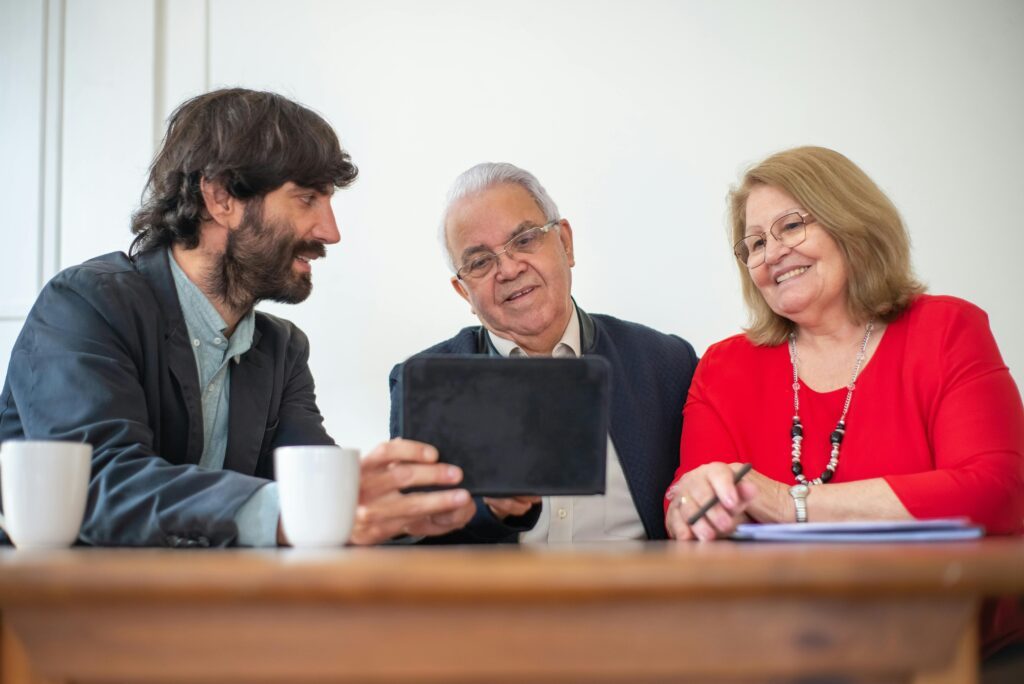
As healthcare continues to expand beyond clinics and hospitals, the demand for skilled CHWs has grown dramatically. Completing a Community Health Worker Training Certificate Program, like the one offered through MSU Denver’s Innovative and Lifelong Learning, can open the door to a variety of career paths focused on public health, patient advocacy, and community well-being.
If you’re considering a career as a CHW or simply wondering what opportunities are available after earning your certification, this guide will help you explore what’s possible.
What Is a Community Health Worker?
A Community Health Worker (CHW) is a frontline public health professional who acts as a liaison between individuals, communities, and healthcare systems. They play a key role in improving access to care, increasing health literacy, and addressing social and environmental factors that affect health outcomes.
Unlike many clinical healthcare roles, CHWs don’t diagnose or treat illnesses. Instead, they focus on education, prevention, and advocacy, helping people stay healthy and connected to the care they need.
Common responsibilities include:
- Conducting community outreach and health education
- Helping individuals navigate the healthcare system
- Connecting families to local resources like housing, food assistance, or childcare
- Supporting disease prevention and management programs
- Collecting data and helping evaluate community health needs
Because their work happens at the intersection of health and social services, CHWs are vital to creating more equitable healthcare systems, especially in underserved areas.
Career Paths After Completing CHW Training
One of the greatest advantages of completing a Community Health Worker Training Certificate Program is flexibility. The skills you gain can apply to a wide range of roles across public health, social work, and healthcare coordination.
Below are some of the most common (and rewarding) career paths for trained CHWs:
1. Community Health Worker
Of course the most direct route is becoming a CHW. These professionals work in local health departments, nonprofits, and community organizations to promote health education and outreach.
Typical responsibilities might include running vaccination drives, organizing wellness workshops, or visiting families to provide preventive care information. Many CHWs specialize in specific areas, such as maternal health, immigrant communities, or chronic disease management.
Good fit for: Individuals passionate about direct community engagement and making a tangible difference in public health.
2. Patient Navigator or Care Coordinator
Many hospitals and clinics hire CHWs as patient navigators. These are professionals who guide patients through complex medical systems. They help schedule appointments, explain treatment plans, and connect patients to insurance or social support.
Because CHWs are trained in communication and advocacy, they excel in these roles. This is also a natural next step for those who enjoy one-on-one interaction and helping patients feel supported during their care journey.
Good fit for: Compassionate communicators who enjoy guiding patients through the healthcare system and ensuring no one falls through the cracks.
3. Public Health Outreach Specialist
For those interested in population-level impact, a role in public health outreach can be a great fit. Outreach specialists design and deliver community health campaigns, covering topics such as vaccination, nutrition, mental health, or substance use prevention.
In this role, you might collaborate with public health departments or nonprofits to plan events, analyze data, and measure program effectiveness.
Good fit for: Those who enjoy working with diverse populations and contributing to systemic health improvements.
4. Health Educator
CHWs who enjoy teaching and communication may pursue careers as health educators. These professionals develop educational materials, lead workshops, and train others in community health principles.
With additional experience or education, CHWs can move into leadership positions, overseeing health education programs or managing outreach teams.
Good fit for: Educators at heart who enjoy empowering others with knowledge and helping communities take charge of their health.
5. Social and Human Services Assistant
Some CHWs transition into broader social services roles, supporting individuals and families who need help accessing housing, food programs, or behavioral health resources.
This path is especially appealing to those interested in the social determinants of health. Factors like income, education, and environment that shape overall wellness.
Good fit for: Empathetic problem-solvers who want to address the root causes of health disparities and support families holistically.
6. Community Program Coordinator
After gaining field experience, some CHWs move into program coordination or management roles. In these positions, professionals plan, implement, and evaluate community-based health initiatives.
This might involve supervising other CHWs, tracking outcomes, and building partnerships with local agencies. Program coordinators play a big-picture role in ensuring that community health efforts run smoothly and reach the people who need them most.
Good fit for: Those who excel at organization, leadership, and strategic planning in service of community wellness.
Where Community Health Workers Are Making a Difference
CHWs can be found in a variety of environments, each offering unique opportunities to make an impact. Here are just a few examples:
- Public Health Departments: Supporting vaccination efforts, health screenings, and emergency preparedness programs.
- Hospitals and Clinics: Helping patients understand care instructions, manage chronic conditions, and follow up on appointments.
- Schools and Universities: Promoting health education and wellness programs for students and families.
- Nonprofit and Faith-Based Organizations: Reaching underserved populations and connecting them to vital services.
- Insurance and Healthcare Networks: Improving patient engagement and reducing readmission rates through outreach and education.
This diversity means there’s no single “typical” day for a CHW. Your work could range from leading community health workshops to collaborating with policymakers on neighborhood wellness initiatives.
Why CHWs Are in High Demand
The need for community-based health support has never been greater. The COVID-19 pandemic highlighted how essential CHWs are in addressing public health challenges, building trust, and ensuring accurate information reaches every community.
According to the U.S. Bureau of Labor Statistics, employment for CHWs and related roles is expected to grow faster than average over the next decade. Much of this growth comes from the expanding focus on preventive care, health equity, and social determinants of health, all areas where CHWs excel.
In Colorado, initiatives from the Department of Public Health & Environment (CDPHE) continue to strengthen the CHW workforce by standardizing training and credentialing through recognized programs, including those like MSU Denver’s.
This means CHW certification isn’t just a credential, it’s an investment in a career field with long-term stability and growth potential.
Skills That Make CHWs Successful
CHWs come from all backgrounds, but the most effective ones share a few common qualities:
- Strong communication skills: Listening and explaining complex health topics clearly.
- Empathy and cultural understanding: Building trust across diverse communities.
- Problem-solving ability: Finding practical solutions to barriers like transportation, cost, or access.
- Organizational skills: Managing outreach events, tracking data, and reporting outcomes.
- Adaptability: Working across multiple settings, from clinics to community centers to home visits.
A structured Community Health Worker Training Certificate Program helps strengthen these abilities through applied learning, case studies, and real-world examples, preparing graduates to enter the workforce with confidence.
Building a Career That Makes a Difference
At its heart, community health work is about connection. It’s about helping people feel seen, supported, and empowered to take control of their health. Whether you’re just starting your career or transitioning from another field, CHW training offers a meaningful way to make an impact while developing valuable skills in healthcare and communication.
Graduates often describe CHW work as deeply fulfilling because it combines purpose with practicality. It’s a career where every day directly contributes to the well-being of others.
Final Thoughts
Completing a Community Health Worker training program can be the first step towards a rewarding and sustainable career in healthcare and public health. With opportunities spanning hospitals, schools, nonprofits, and beyond, CHWs are shaping the future of community wellness.
If you’re ready to explore where this path could take you, MSU Denver’s Community Health Worker Training Certificate Program offers flexible, online courses that align with Colorado’s statewide CHW credentialing structure, helping you gain the skills and recognition needed to make a lasting difference.


Contact us
Meet our teamPhone: 303-615-1234
Email: [email protected]
Office Location:
Jordan Student Success Building
3rd Floor – #330
Auraria Campus
Mailing Address:
MSU Denver
Innovative and Lifelong Learning
P.O. Box 173362
Campus Box 6
Denver, CO 80217-3362