
Have Questions? We have answers.
Contact UsExplore seven accessible career paths available in the cannabis industry
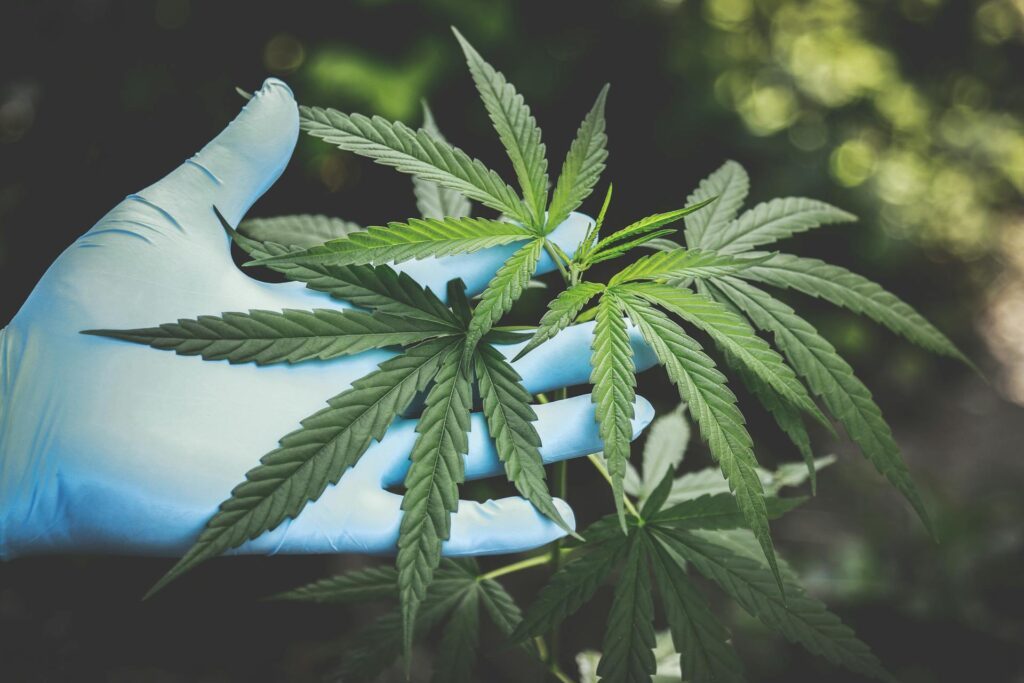
The legal cannabis industry has evolved rapidly over the past decade, transforming from a niche market into a complex, highly regulated sector that supports a wide range of professional careers. As legalization continues to expand across states and internationally, the demand for knowledgeable, well-prepared professionals has grown alongside it.
For individuals considering education or training in cannabis, the career paths can vary greatly depending on interests, skills, and long-term goals, but the opportunities span far beyond what many people initially expect.
Below, we explore the most common and emerging career paths that open up after completing a foundational cannabis-industry course.
Why Cannabis Education Matters in a Regulated Industry
Cannabis is not just another consumer product. It operates within one of the most tightly regulated business environments in the United States, with laws governing everything from cultivation and testing to packaging, labeling, and sales. This regulatory complexity means employers increasingly value candidates who understand both the product and the legal framework surrounding it.
A well-rounded cannabis course introduces students to the history of cannabis, distinctions between medical and recreational use, state and federal regulations, and the full supply chain, from seed to sale. That foundational knowledge is relevant across nearly every role in the industry, even for those who do not plan to work directly with plants or customers.
1. Cultivation and Production Careers
Cannabis Cultivator or Grow Technician
Cultivation roles focus on the agricultural side of the industry. These professionals are responsible for planting, nurturing, harvesting, and processing cannabis plants in licensed facilities.
Entry-level positions often include:
- Grow technician
- Cultivation assistant
- Harvest technician
With experience, individuals may move into roles such as head grower, cultivation manager, or operations director. Coursework that covers plant biology, cultivation regulations, and quality control provides a valuable baseline for anyone interested in this pathway.
Extraction and Manufacturing Roles
Beyond cultivation, cannabis manufacturing includes producing concentrates, edibles, tinctures, and topical products. These roles often require an understanding of safety protocols, testing requirements, and compliance standards.
Common job titles include:
- Extraction technician
- Production associate
- Manufacturing manager
Professionals in this area benefit from understanding how cannabis-derived products are regulated differently from flower products, particularly when it comes to labeling, dosage, and consumer safety.
2. Retail and Dispensary Careers
Budtender
One of the most visible roles in the cannabis industry, budtenders work directly with consumers in dispensaries. Their responsibilities extend far beyond customer service and include educating customers, explaining product differences, and ensuring legal compliance at the point of sale.
A strong foundation in cannabis knowledge helps budtenders:
- Explain medical vs recreational products
- Discuss cannabinoids like THC and CBD
- Understand responsible use guidelines
Dispensary Management
For those interested in leadership, dispensary operations offer opportunities to move into supervisory or management roles. These positions often involve staff training, inventory control, compliance oversight, and business operations.
Titles may include:
- Assistant dispensary manager
- Store manager
- Retail operations manager
Understanding regulations, consumer trends, and product categories is essential at this level.
3. Compliance and Regulatory Careers
Cannabis Compliance Specialist
Compliance is one of the fastest-growing and most critical areas of the cannabis industry. Compliance professionals ensure businesses follow state laws related to licensing, tracking, packaging, testing, and reporting.
Typical responsibilities include:
- Monitoring regulatory changes
- Auditing internal processes
- Ensuring proper documentation and reporting
These roles are well-suited for individuals who enjoy detail oriented work and staying current with evolving regulations.
Licensing and Regulatory Affairs
Some professionals work directly with local governments, regulatory agencies, or consulting firms that support cannabis businesses. These roles may involve policy development, licensing reviews, or regulatory education.
A strong understanding of cannabis law and state-specific requirements is a major advantage in this field.
4. Cannabis Hospitality and Tourism
As cannabis becomes more integrated into mainstream culture, hospitality and tourism have emerged as important sectors within the industry. This includes cannabis-friendly events, educational tours, and hospitality experiences.
Potential roles include:
- Cannabis event coordinator
- Hospitality manager
- Cannabis tourism consultant
Professionals in this space often combine knowledge of cannabis regulations with experience in hospitality, event planning, or tourism management.
5. Research, Education, and Product Development
Cannabis Research and Education Roles
Cannabis research spans product development, consumer behavior, health outcomes, and regulatory impacts. While some research roles require advanced degrees, foundational cannabis education can support entry-level positions or further academic study.
Opportunities may include:
- Research assistant
- Product education specialist
- Curriculum developer
Education-focused roles are particularly valuable as the industry continues to prioritize consumer safety and informed use.
6. Marketing, Branding, and Communications
Cannabis Marketing Professional
Marketing in the cannabis industry comes with unique challenges due to advertising restrictions and compliance requirements. Professionals must balance creativity with strict regulatory guidelines.
Roles in this area include:
- Marketing coordinator
- Brand strategist
- Content or communications specialist
Understanding cannabis products, regulations, and consumer demographics is essential for ethical and effective marketing.
7. Entrepreneurship and Business Ownership
Many individuals pursue cannabis education with the goal of starting their own business. This might include opening a dispensary, launching a product line, or offering consulting services.
Entrepreneurial pathways include:
- Cannabis retail ownership
- Product manufacturing
- Consulting or compliance services
A strong educational foundation helps prospective business owners navigate licensing requirements, compliance obligations, and operational planning.
Transferable Skills Beyond Cannabis-Specific Roles
Even for those who do not plan to work directly in cannabis long term, cannabis education builds transferable skills applicable across industries. These include:
- Regulatory literacy
- Ethical decision-making
- Supply chain awareness
- Consumer education and advocacy
Professionals with cannabis industry knowledge often transition into roles in policy, public health, hospitality, or regulated consumer goods.
How a Foundational Course Supports These Career Paths
A comprehensive introductory course provides a structured understanding of how the cannabis industry functions as a whole. Topics such as cannabis history, cultivation, product applications, legal frameworks, and compliance requirements create a shared knowledge base that applies across roles.
For individuals exploring career options, a course like the Cannabis 101 Course offers an opportunity to gain industry insight without committing to a specific pathway right away. It allows students to identify which areas align best with their interests, whether that’s cultivation, retail, compliance, or business development.
Looking Ahead: The Future of Cannabis Careers
As legalization expands and regulations mature, the cannabis industry is becoming more and more professionalized. Employers increasingly seek candidates who understand not only cannabis products but also the responsibilities that come with working in a regulated environment.
Education plays a critical role in shaping that workforce. Whether you’re exploring a career change, enhancing your current role, or building toward entrepreneurship, cannabis education provides clarity in an industry that continues to evolve.
Final Thoughts
The cannabis industry offers far more career diversity than many people realize. From cultivation and compliance to hospitality, research, and business leadership, the field supports a wide range of professional interests and skill sets.
Completing a cannabis industry course can serve as a valuable starting point, helping individuals understand the landscape, make informed career decisions, and build confidence in navigating a regulated industry. As cannabis continues to intersect with healthcare, hospitality, education, and entrepreneurship, those with a strong foundational understanding will be well positioned for what comes next.
If you’re exploring education in this space, the Cannabis 101 course at MSU Denver offers a comprehensive overview of the legal, operational, and cultural aspects of cannabis.


Contact us
Meet our teamPhone: 303-615-1234
Email: [email protected]
Office Location:
Jordan Student Success Building
3rd Floor – #330
Auraria Campus
Mailing Address:
MSU Denver
Innovative and Lifelong Learning
P.O. Box 173362
Campus Box 6
Denver, CO 80217-3362