
Commercial Drone Pilot: FAA Part 107 Ground School
Take your first step into the rapidly growing world of drone aviation with Introduction to Unmanned Aircraft Systems (UAS).
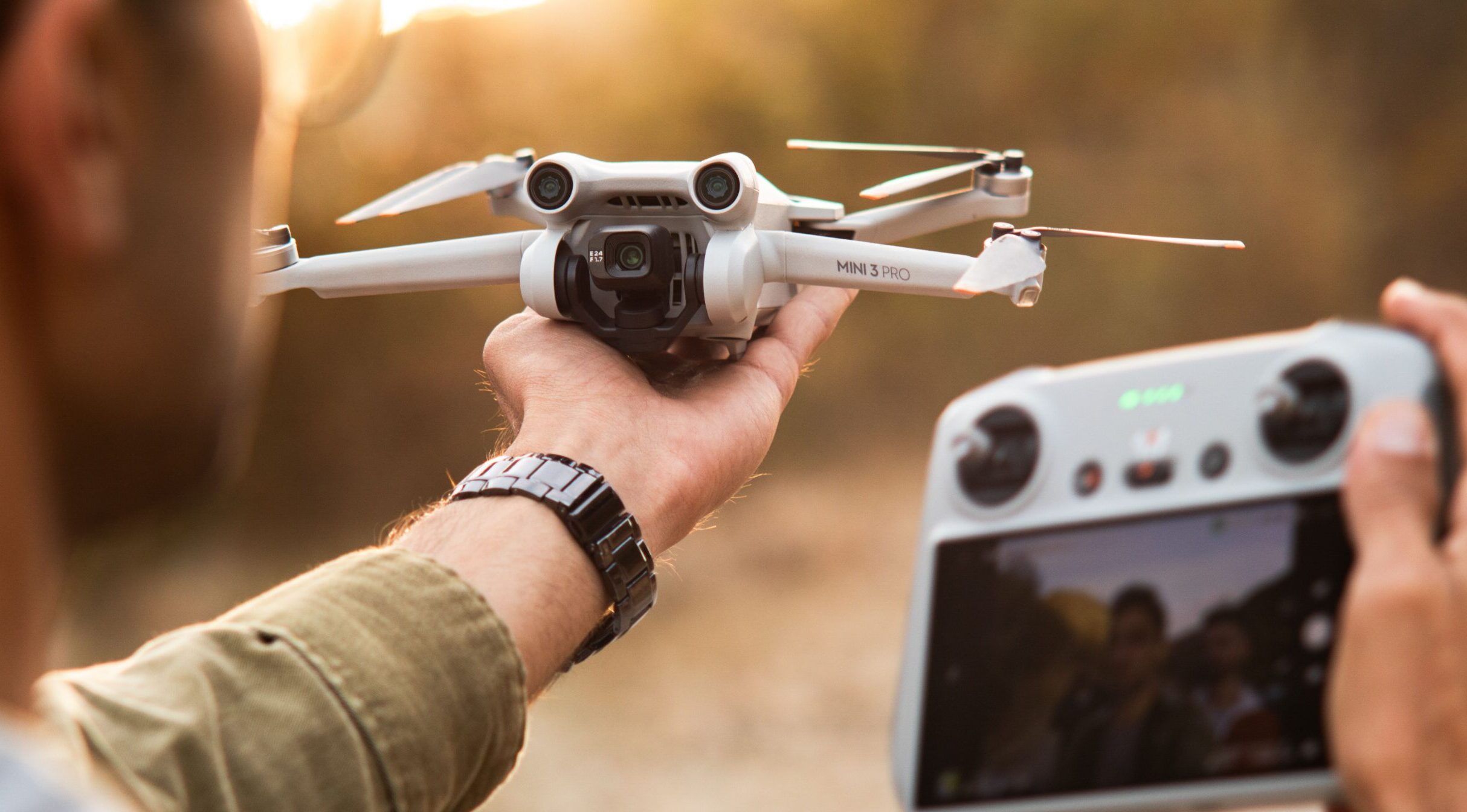
The Commercial Remote Pilot Certificate prepares learners to pass the FAA Part 107 Remote Pilot written exam, a mandatory credential every commercial drone pilot needs. Course two is for professionals who’ve cleared that bar, or plan to, and want to put their basic knowledge to work, applying Uncrewed Aircraft System (UAS) technology to real industry problems and building the operational skills clients and employers expect. This program is TECP eligible, meaning a grant may cover the full cost of tuition.
The Technology Employment in Colorado Partnership (TECP), a workforce initiative of the City and County of Denver, may help cover the cost of this program for eligible Colorado residents pursuing a career in remote pilot (drone) operations.
1. Review eligibility criteria to determine if you might qualify.
2. Create a Connecting Colorado Account and complete the initial assessment form.
3. Once you have created your Connecting Colorado account, email [email protected] and share that you are interested in pursuing drone certification training. A resume and information on previous experience is appreciated to help determine eligibility. Afterwards, you will be connected with a case manager who will support you moving forward.
3. Eligible students can secure grant funding and enroll in Commercial Remote Pilot Certificate courses with no out-of-pocket cost.
Want to apply or have questions? Contact [email protected].
Take your first step into the rapidly growing world of drone aviation with Introduction to Unmanned Aircraft Systems (UAS).
Advanced UAS Operations is a career-focused course designed for those ready to move beyond certification and into real-world applications.
Commercial Drone Pilot: Part 107 Ground School runs from August 17 to October 12, 2026.
Advanced Drone Pilot: Industry Applications & UAS Operations runs from October 19 to December 14, 2026.
Yes! The Technology Employment in Colorado Partnership (TECP) is a statewide initiative designed to build a skilled and diverse workforce in cybersecurity, aerospace, information technology (IT), and advanced manufacturing. It is supported by the U.S. Department of Labor and the Economic Development Administration.
Yes, self-pay is available for learners who are interested in Uncrewed Aircraft Systems (UAS) but are not eligible for TECP.
Each course will be available to work and learn at your own pace. We recommend you evaluate your workload and find a balance that works for you.
FAA Part 107 is the federal regulation that governs commercial drone operations in the U.S. The name of the credential is the Remote Pilot Certificate.
Casey Phinney
Casey Phinney is an Assistant Professor of Aviation and Aerospace Sciences at MSU Denver, specializing in unmanned aircraft systems (UAS) and real-world drone operations. With a background as a helicopter pilot and extensive experience in UAS technology, he brings a powerful combination of traditional aviation expertise and cutting-edge drone knowledge to every course he teaches.
Casey has worked across a wide range of drone applications, giving him a deep understanding of how UAS are used in today’s fast-growing industries. He is passionate about helping students and professionals turn drone skills into real opportunities, building confidence, earning credentials, and standing out in a competitive field. His courses are designed to go beyond theory, equipping learners with the practical knowledge and industry insight needed to succeed as professional drone pilots.
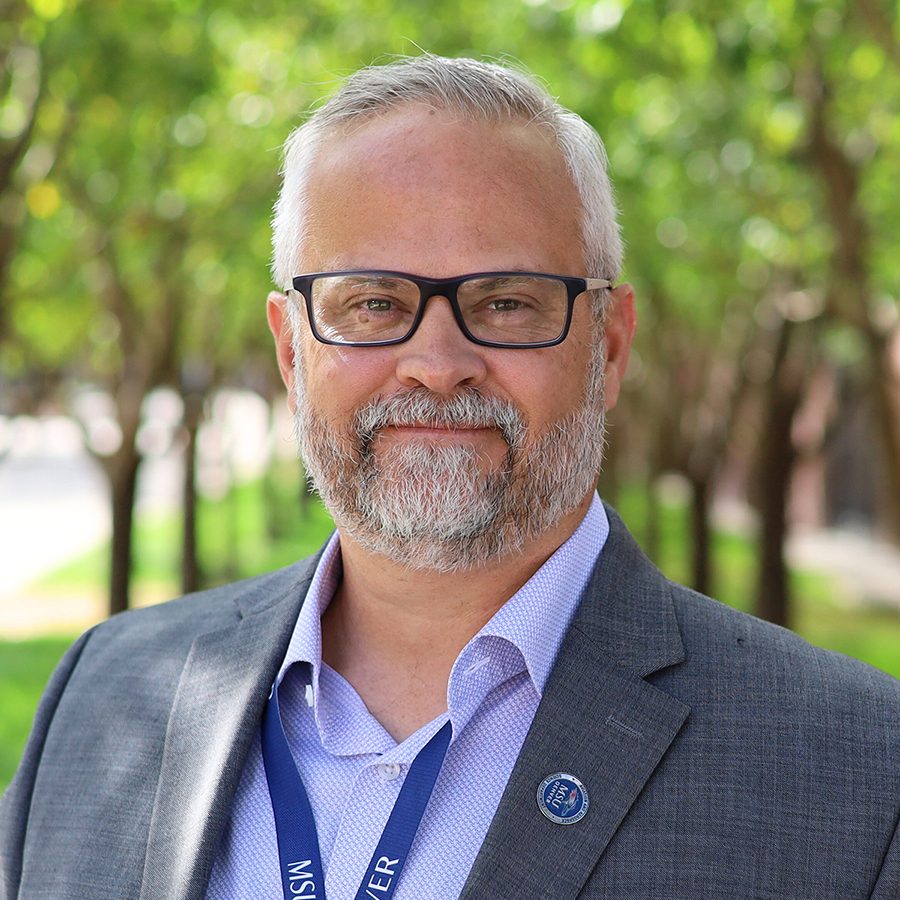
Please contact Brandy Schooler at 303-615-1234 or [email protected].
Funding Disclaimer: This workforce product was funded by a grant from the U.S. Department of Labor. It was created by the grantee and does not necessarily reflect the views or policies of the U.S. Department of Labor. The Department makes no guarantees regarding the information provided. This product is copyrighted by the organization that created it.
Phone: 303-615-1234
Office Location:
Jordan Student Success Building
3rd Floor – #330
Auraria Campus
Mailing Address:
MSU Denver
Innovative and Lifelong Learning
P.O. Box 173362
Campus Box 6
Denver, CO 80217-3362


