
Request Information
Ready to find out what MSU Denver can do for you? We’ve got you covered.

The Community-Centered Computing Lab (C3 Lab), co-directed by Dr. Daniel Pittman and Dr. Ranjidha Rajan, offers hands-on research opportunities for students interested in data science, artificial intelligence, human-centered computing, and full-stack software development. Students in the C3 Lab work on real-world production systems that serve Colorado communities, statewide educational ecosystems, and MSU Denver’s campus. Research positions provide mentorship, technical experience, portfolio-building projects, and the chance to contribute to federally and state funded initiatives.
Visit C3 Lab to learn more!
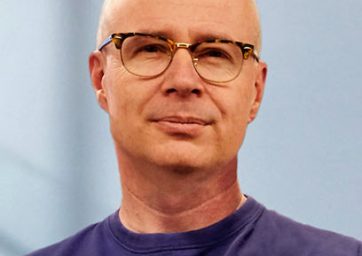
Dr. Steve Beaty’s research focuses on cybersecurity, network security, and secure internet infrastructure, with an emphasis on building and analyzing real-world security systems. It’s also possible to present at the Undergraduate Research Conference.
Research projects and student opportunities include:
• Security Honeypots (Python, Docker): Study attacker behavior through interactive honeypot systems, including firewall logic, secure services, testing, and deployment.
• Secure DNS Systems (Java): Exploring and improving DNS security through modern protocols such as TLS and DNS-over-HTTPS.
• Dark Web Intelligence:Developing tools to detect indicators of human trafficking using web crawling, search, and data analysis technologies
Please visit Dr. Steve Beaty’s research to learn more about his projects and how to to get involved.

For interested MSU students there are a few available projects to work on. These research projects center on learning analytics, educational technology, and technology-enhanced pedagogy, with a focus on building digital systems that improve teaching effectiveness and student learning outcomes.
Research projects and student opportunities include:
• Canvistant (Canvas LMS Digital Teaching Assistant): Enhancing Canvas with tools for collaborative quizzes, intelligent student pairing, automated follow-up assessments, and learning analytics, with future integration of machine learning for performance prediction.
• Technology-Enhanced Pedagogical Methods: Designing and studying digital extensions of proven strategies such as peer instruction, collaborative learning, and continuous assessment.
• Research Topics: Learning analytics, adaptive assessment, knowledge tracing, student performance modeling, and educational data analysis.
Students can gain experience working in Python, software engineering, data analysis, and applied machine learning, along with exposure to educational research, experimentation, and tools that directly impact student success.
Please visit Dr. Steve Geinitz research to learn more about his projects and how to to get involved.

Dr. Jiang has been working on research projects on Computer Vision. Machine Learning. AI Tools for Education and Intelligent Agriculture.
Students who are interested in these areas can email [email protected] to schedule a meeting/interview.
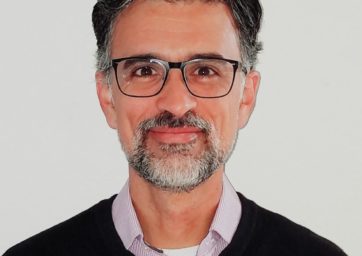
Dr. Mota research interests are in the areas of data mining, database systems, programming languages, and cloud computing. Below are some projects that he is currently working on and that can involve motivated students who are interested in engaging in research activities.
• Social Media Data Mining: Analyzing racism-infused tweets during the COVID-19 pandemic to understand threat perception, virality, and harmful online behavior using NLP and statistical analysis.
• Collaborative Recommendation Systems: Developing adaptable recommendation frameworks using data from platforms such as Goodreads, Yelp, IMDb, and Tripadvisor.
• Data Mining Pipeline Architectures: Designing and evaluating data mining pipelines ranging from in-memory processing to real-time, cloud-based architectures.
Students can gain experience with APIs, Python, databases (NoSQL and graph), cloud computing, NLP, and statistics, along with exposure to research that connects technical innovation with real-world and societal impact.
Please visit Dr. Thyago Mota’s research to learn more about his projects and how to to get involved.
Dr. Jody Paul research projects include inclusive computing/engineering education and the development of open source tools that support learning, and software quality. Below are some research projects that are available to MSU students.
• P4E:STEM (Partnership for Equity: STEM): Designing curriculum and learning experiences that help CS and engineering students build inclusive professional identities (inclusion-minded practice, awareness of diversity, and consideration of impact on diverse populations).
• Redistricting Investigation (open source): Java-based tools and libraries for modeling election districting, educating the public, and exploring gerrymandering and redistricting outcomes.
• Learning & Quality Tools (open source): ImageLab (intro programming image processing framework), Quality Tools for BlueJ (access to tools like Checkstyle and other analyzers), and jBoxes (interactive semantic model of a Java-like language for deeper conceptual learning).
Students have the opportunity to gain experience contributing to open-source projects, building educational software and tools, working with Java/C++, UI/tooling development, software quality/analysis tools, and participating in research that connects computing with education and civic engagement.
Please visit Dr. Jody Paul’s research to learn more about his projects and how to to get involved.
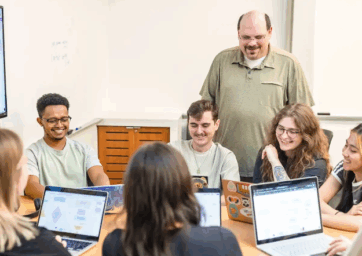
Dr. Dan Pittman has research opportunities that are available to MSU students that are community-centered computing, data science, artificial intelligence, and full-stack software development. Students can contribute to funded projects that combine technical innovation with social impact. Below are projects that are available to students.
• Colorado Sustainability Hub (NSF-funded): A statewide platform integrating sustainability and well-being data using AI-powered natural language interfaces, geospatial systems, and modern data engineering.
• RILE Connect: A cloud-based STEM mentorship and opportunity-matching platform supporting educators, students, and organizations across Colorado.
• Roadrunner Connect: A production mobile and web application for MSU Denver focused on campus engagement, event discovery, and student interaction.
Students will gain experience working with Python, React, Flutter, AWS, databases, geospatial tools, and AI/LLM systems, plus mentorship, portfolio-ready projects, and work on high-impact community technology.
Please visit Dr. Dan Pittman’s research to learn more about his projects and how to to get involved.
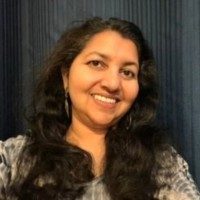
Dr. Ranjidha Rajan’s research focuses on AI for Good, civic technology, and human-centered computing, with the goal of strengthening how communities learn, collaborate, and access opportunities. Her work integrates applied AI, learning analytics, data visualization, and network science to design equitable, accessible systems that support education, mentorship, and public-benefit ecosystems. Below are research and volunteer opportunities available to students.
• RILE Connect (SIPA-funded): A statewide STEM mentorship and opportunity-matching platform connecting K–12, higher education, nonprofits, and industry through web, mobile, and cloud-based systems.
• MentorMap: Network-driven mentorship analysis using graph databases and interactive visualization to identify gaps, equity issues, and collaboration pathways.
• Canvas Learning Analytics & Engagement Dashboards: Data-driven analysis of LMS activity to model student engagement, support early intervention, and inform equitable teaching practices.
• AI-Augmented Inquiry-Based Learning (AI-IBL): Exploring how generative AI can scaffold better data questioning and improve student data literacy during exploratory data analysis
Students can gain experience with Python, AI/ML concepts, graph databases, data visualization, dashboards, UI/UX design, cloud platforms, and human-centered research on real, community-impact systems.
Please visit Dr. Ranjidha Rajan’s research to learn more about her projects and how to to get involved.