Have Questions? We have answers.
Contact Us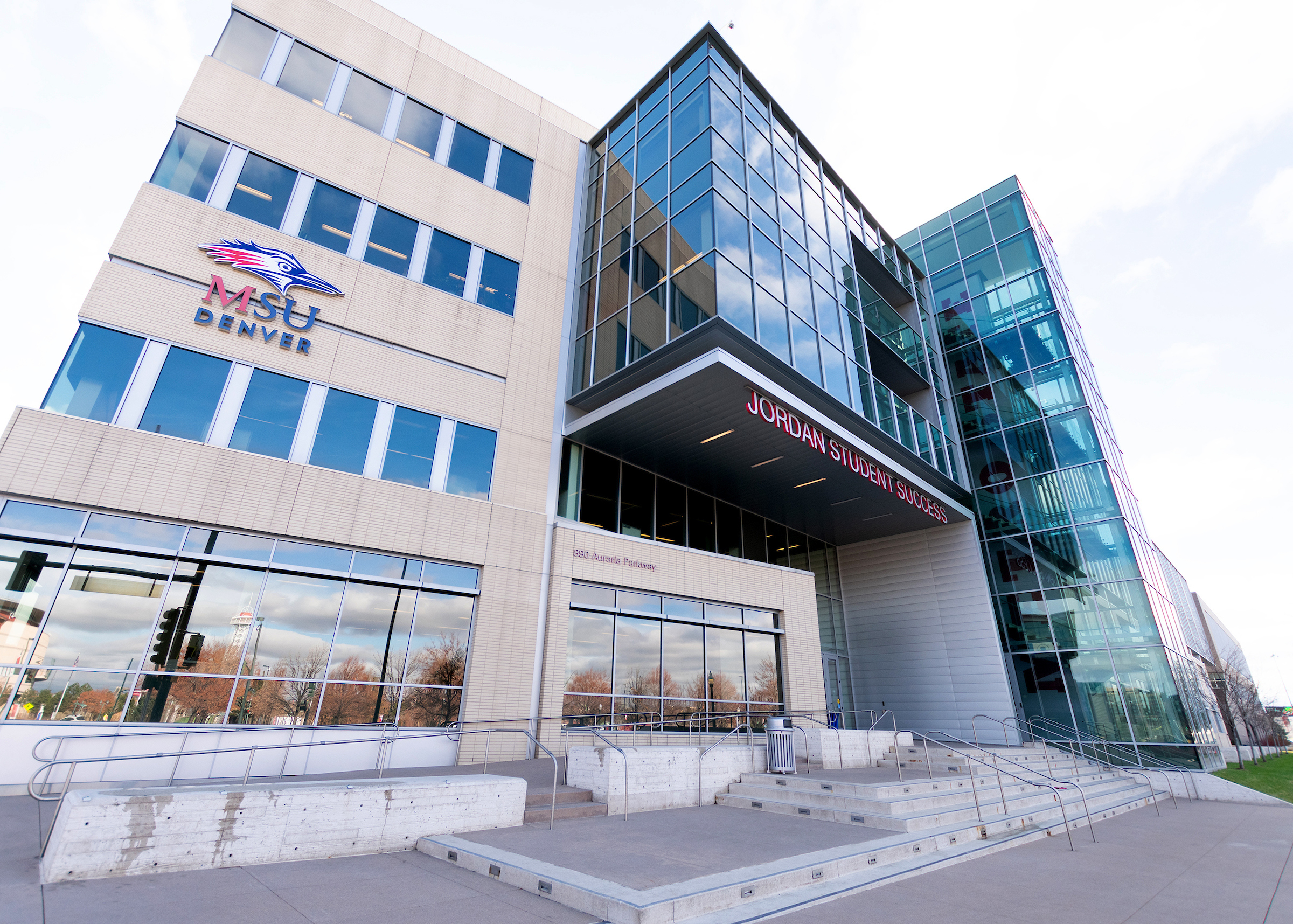
Definition of Academic Advising
Academic advising is a field of study and profession that focuses on the intellectual, personal, and educational development of advisees as they engage with higher education. The research-informed practice of academic advising is founded on interpersonal relationships that support, understand, and empower individual advisees to navigate their academic journeys and to make personally, socially, and culturally relevant meaning of their learning experiences. Academic advising creates unique expertise in how curricula, policies, and institutional cultures shape and are shaped by learner goals and experiences.
– NACADA: The Global Community for Academic Advising
NACADA: The Global Community for Academic Advising. (2026, May 1). NACADA definition of and scope of practice for
academic advising. NACADA: The Global Community for Academic Advising. https://www.nacada.ksu.edu/Resources/Pillars/definition-and-scope.aspx
Our Program Overview
MSU Denver follows a shared academic advising model where professional academic advisors are embedded within colleges, schools, or academic programs. These advisors collaborate closely with faculty advisors to provide comprehensive student support. This shared structure is supported by Advising Systems, an academic program within Undergraduate Studies that provides centralized coordination and resources.
Our Guiding Documents
MSU Denver’s advising structure allows advisors to employ inclusive and equitable advising practices with their diverse student populations while also digging deep into curricular and developmental conversations specific to their academic areas of focus. MSU Denver’s standardized academic advisor position descriptions (Advisor I, Advisor II, Advisor III) are helpful in translating the *big work* of advising into actionable areas.
Academic advising at MSU Denver is guided by a set of frameworks, established by advising leadership in order to better direct, assess, and enhance the overarching advising program.
MSU Denver students receive personalized academic advising that meets them where they are so that they can get to where they are going.
The Academic Advising Community at MSU Denver upholds the following basic values as central to our work:
Student Success:
- Advisors equip students to achieve their educational, career, and life goals by honoring their lived experiences and the assets they bring to college.
Inclusive Spaces:
- Advisors strive to create and maintain accessible, equitable and inclusive spaces for our work, enacting processes grounded in justice, respect, and diversity reflecting our mission and diverse campus community.
Collaborative Advising Strategies:
- Advisors actively engage with students and campus partners to contribute to a student population well-versed in self-advocacy, creating and maintaining relationships across campus, and the cultivation of intellectual habits that lead to lifelong learning.
Integrity and Responsibility:
- Honesty, transparency, accountability, timeliness, and accuracy guide advisors’ work with students, each other, campus partners, and the larger community.
To deliver on the promise of its program mission and goals, MSU Denver Academic Advising outlines the following operational commitments at the advisor, unit, and program level.
Advisors will:
-
be reasonably and predictably accessible to students via multiple channels.
- serve as positive role models, engaging in clear, inclusive, and considerate communication across all levels of the University community.
- employ informed and effective advising approaches to create a reflective, supportive, and brave space for students to explore educational, career, and personal ideas.
- effectively communicate University degree requirements, academic programs and policies, and campus resources relevant to a student’s experience.
- foster relationships with, and promote, programs, offices and personnel that provide students with educational, career, and personal growth opportunities.
- advocate with positive intent while supporting the development of students’ self-advocacy, decision making, accountability, and responsibility.
- embrace data-driven and technology-forward practices to meet the evolving needs of students.
- foster inclusivity and belonging and seek to mitigate barriers to student persistence, degree completion, and well-being in line with the University’s mission, core values, and strategic plan.
- adhere to the legal guidelines of academic advising practice within higher education, including privacy regulations and confidentiality.
Academic advising unit leadership will:
-
ensure advisors receive timely updates on information relevant to the advising process.
- support their advisors through effective leadership that recognizes the scope of the advising role and its needs.
- uphold University advising standards while adapting to the distinct needs of their unit.
- facilitate communication between advisors and the University advising system level, promoting informed decision-making and collaborative planning.
- drive strategic data collection with the clear intent of recognizing successes and identifying areas for improvement.
The University advising program will:
-
foster an engaged community that unifies the diverse academic colleges, schools, departments, and programs at the University.
- support comprehensive professional development programs to continually advance advising knowledge and skills.
- recognize outstanding academic advising, employing career development ladders and university-wide awards.
- elevate systemic issues and concerns and support large-scale initiatives that align the University’s strategic priorities and the advising program’s goals and expected learning outcomes.
- conduct regular, purpose-driven assessments at the program level to recognize strengths, identify areas for improvement, and inform strategic decision-making.
While measures of student satisfaction assess how students feel about their advising experience, measures of learning evaluate what students actually understand and can apply from advising interactions.
Student learning through academic advising is assessed by measuring students’ understanding of key advising outcomes, such as academic advisor roles, academic policies and degree requirements, use of advising related tools, ability to engage in goal-setting and self-advocacy skills, etc. Ideally each learning outcome has multiple means of measurement – direct/indirect, qualitative/quantitative. Not every outcome needs to be assessed at the same time, and as such, assessment plans typically involve multi-year commitments across the range of expected learning outcomes.
Common methods include pre- and post-advising surveys, advisor observations, student reflections, and tracking retention and graduation rates.
MSU Denver academic advising embodies the university core values of community, access, diversity, respect, and excellence by employing inclusive and equitable advising practices with our diverse student population. Academic advisors establish long-term advising relationships with students and empower them to define and navigate meaningful paths toward achieving their educational, career, and lifelong learning goals. Academic advisors achieve this through a learning-centered approach that provides students with holistic, clear, accurate, and timely guidance and support that informs their choices.
Collectively, academic advising at MSU Denver works towards the following goals:
- Ensure that all students have access to informed and inclusive advisors appropriate to their academic and career preparation stages.
- Provide accurate information about university academic requirements, policies, and procedures.
- Encourage, support and guide students to take increasing responsibility for identifying and meeting their own academic, personal and career goals.
- Support and promote a culture of quality academic advising through advisor training, development, recognition, and reward, and advising program assessment.
It is the collective aim of the Academic Advising program at MSU Denver that students experience growth because of their interactions with academic advising. As students advance through their education, they cultivate intellectual habits that lead to lifelong learning. This learning, as it occurs within the academic advising process, is often expressed by students as demonstration of the learning outcomes below.
As a result of engaging in the academic advising experience, students:
- Demonstrate understanding of relevant roles and responsibilities, including their own, in the academic advising process.
- Students can identify advisors relevant to their academic program and proactively engage in effective communication, while gradually taking on more responsibility for initiating advising sessions throughout their academic experience.
- Choose academic programs appropriate for their educational and career goals.
- Using accessible information and resources, students can explore the variety of academic programs available to them to build a foundation for discussions about their interests, values, and abilities with an advisor, with the final goal of declaring or confirming an academic program, or programs.
- Craft a path toward achieving their educational and career goals.
- Through discussions with an advisor, students can co-construct an academic path consisting of courses and experiences that achieve their educational and career goals.
- Pursue opportunities that support them in completing their plan and attaining their stated goals.
- Students can follow, and as needed, adjust their plan, and pursue appropriate courses and experiences (such as internship and employment opportunities and co-curricular activities) that allow them to act toward achieving their stated education and career goals.
Undergraduate Advising Teams
For advising information and professional advisor contact information, check out the CACED advising page.
Visit the the CACED Advisor Directory page to see the faculty advisors in your program.
Don’t see available appointments in Navigate360 Student? Send an email to your advisor or your program’s advising office.
Some times of the year can be busier than others, like when registration opens or as graduation approaches, so advisors may take a little longer to respond. Rest assured, they work as quickly as possible to get back to students.
College of Business Advising Information
If you need advising support and are unable to make an appointment in Navigate360, please email your assigned academic advisor (if you are unable to get in touch with your assigned advisor, do not know your assigned advisor, or are a prospective student you may email the Advising Coordinator, Wendy Walker at [email protected]).
In your email, include your MSU Denver Student ID and a summary of what you would like assistance with (for example, I need an APLAN for Financial Aid; I need an override for this business class; or I need help selecting classes). Please email using your MSU Denver Student email account.
If you are on-campus, you can also swing by the College of Business Advising Center in AD 210. Our drop-in hours are posted on the CBUS Advising Webpage. Please keep in mind drop-ins are subject to the advisors’ availability and may be canceled with no notice. Navigate360 appointments are the best way to guarantee support.
Please do not use Teams chat, call your Academic Advisor or the main College of Business phone line as this will delay our response to you.
New transfer students, freshman and sophomore students, readmits, and seniors nearing graduation should meet with a professional academic advisor.
Juniors and seniors should meet with faculty advisors in your major department to discuss major elective options, career goals, and internships.
Phone: 303-615-1099
[email protected]
College of Health and Human Sciences Advising
Advisors experience a high volume of requests related to class registration and schedule changes at the beginning of the term. To support as many students as possible, advisors will adjust their schedules August 10 to 24 to prioritize drop-in hours and faster email responses.
Please review the information for your academic department below to see advising availability.
If you want to talk with your advisor about planning out future semesters, long term planning, or in-depth discussions, please schedule an appointment after August 24.
Not sure how to get support? Email [email protected] with your name and student ID number, stop by West Classroom 153, or call us at 303-615-1099 and our team can help you figure out where to go!
Phone: See the CLAS advising webpage for contact information
College of Letters, Arts and Sciences Advising Information
Peak Registration begins on Monday, August 10 and goes through August 21. To view advisor availability during this time, please visit the Peak Registration webpage.
Beginning August 10, please review your advisor’s availability and advising formats, which may include in-person drop-ins, virtual appointments, and email advising. We are here to support you throughout the registration period. During Peak Registration (August 10–21), advisors are available to assist with time-sensitive registration needs, including course changes, schedule adjustments, prerequisite questions, and time-conflict concerns. We encourage you to reach out early if you need assistance.
Phone: 303-615-2025
[email protected]
Exploratory Advising Information
Exploratory students are those that have not decided on a college major or are unsure of which major may be the best fit for them.
If you can’t find appointment availability for your advisor in Navigate Student, send them an email to determine options and next steps. Our office also offers drop-in advising during certain busy times of year.
We’ll begin offering drop-in advising for Exploratory students on Wednesday, August 12th through Friday, August 21st at JSSB Window #2
- 9:00AM – 11:30 AM Morning Session
- 1:00PM – 3:30 PM Afternoon Session
A Non-Degree Seeking student is a student looking to take classes at MSU Denver without earning a degree here. This is not the same as being an Undeclared/Exploratory student.
If you are a non-degree student and a class you want to take has prerequisite requirements, you will need to schedule with the academic department that class is housed in to request a prerequisite override.
Phone: 303-615-1555
[email protected]
School of Education Advising Information
Whether you are a new or prospective student, a current student, graduate student, or you need to meet with a School of Education course instructor, you can submit a request for an appointment using this form.
We will ask you a few questions on the request form that will help us determine an appropriate advisor – you don’t have to know who to meet with at all, we’ll help you figure it out!
Looking for a specific advisor? Browse the School of Education advisor listings.
Phone: 303-615-1616
[email protected]
School of Hospitality Information
If you’re feeling unsure or just need a little guidance, you’re not alone—Hospitality advising is here for you. Please schedule an appointment with Maddie Wright in Navigate Student or email her at [email protected]. If you’re unable to connect with her, the School of Hospitality front desk is happy to help at 303-615-1616.
Advising Systems plays a vital role in advancing student success at MSU Denver. As part of Undergraduate Studies, a unit within Academic Affairs, the department manages many aspects of the undergraduate academic advising program across the University’s shared advising model.
They work in partnership with colleges, schools, and academic programs to support efforts that foster consistent, student-centered advising aligned with institutional goals. This approach strengthens communication and coordination throughout advising teams in colleges and schools.
In addition to leading key initiatives, providing academic advisor training and professional development, and supporting strategic planning, their Student Intervention Services staff works with students facing academic challenges.
What They Do:
- Help coordinate academic advising efforts across colleges, schools, and academic programs
- Lead efforts to improve consistency and clarity in undergraduate advising practices and communication
- Provide academic advisor training and professional development opportunities
- Provide guidance to students on academic standing
- Leverage technology-driven solutions to enhance student support and streamline workflows
- Manage strategic initiatives, including the:
- Early Alert Program
- Academic Standing Policy
- Navigate360 Platform
Impact:
By building strong partnerships and aligning academic advising with institutional goals, they help create a connected, student-centered undergraduate advising experience that drives student success.
Contact information:
Student Success Building 170 (Window #2)
Advising Systems
[email protected]
303-605-5650
Student Intervention Services
[email protected]
303.605.5644