
Request Information
Ready to find out what MSU Denver can do for you? We’ve got you covered.
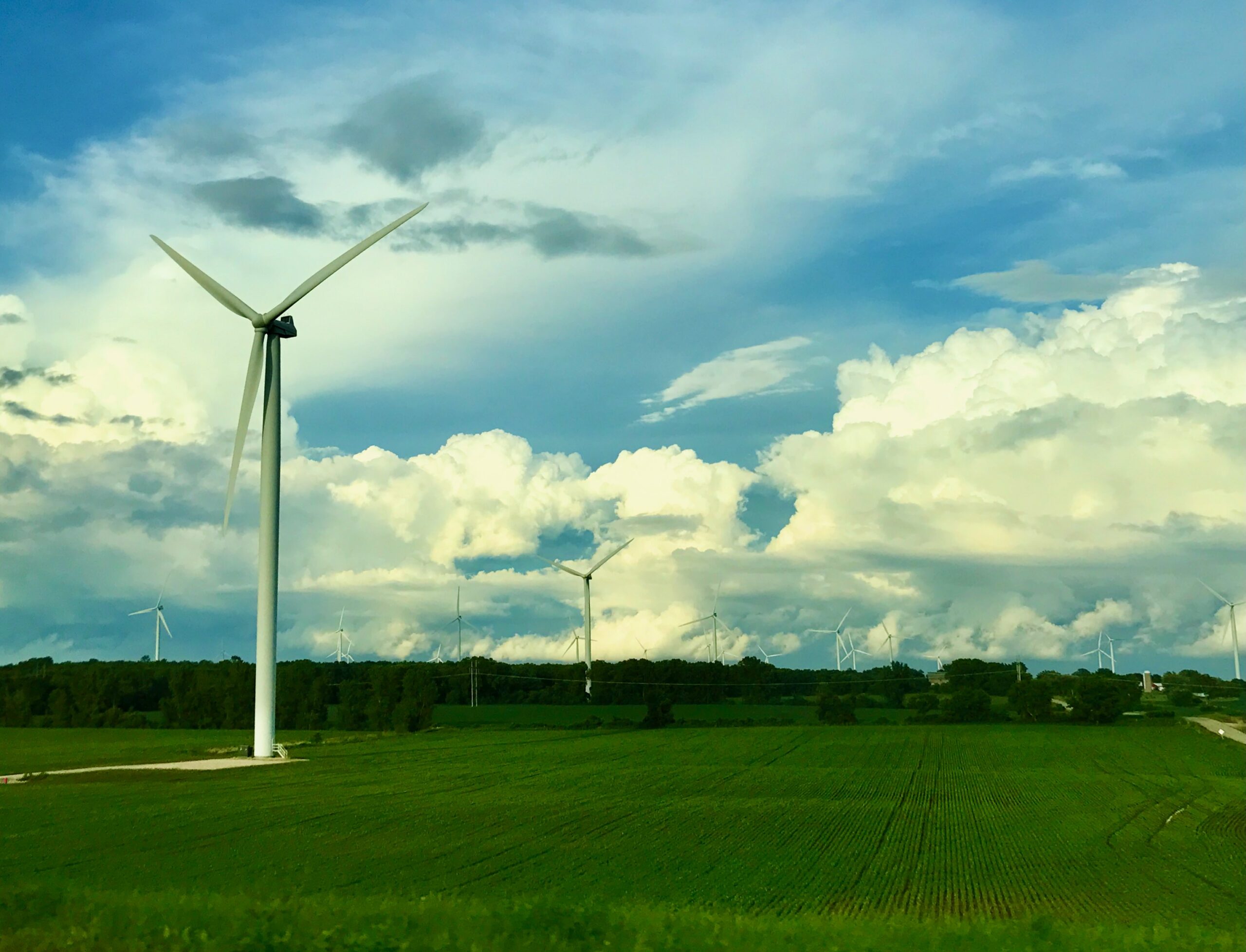
The Environmental Sustainability major can be completed fully online or through a combination of online and in-person courses. The program is designed to prepare students for careers addressing complex environmental challenges.
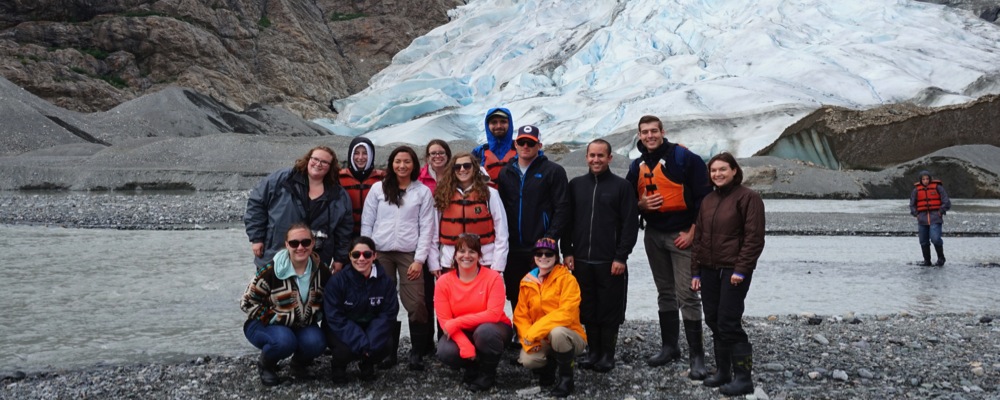
The Bachelor of Science in Environmental Sustainability combines core principles of environmental science, policy, planning, and climate change science, with advanced integration of Geographic Information Systems (GIS). The program focuses on understanding human-environment interactions, sustainable resource management, and the application of GIS for environmental analysis and decision-making. Emphasizing real-world applications, the degree equips graduates with the tools to address challenges such as climate adaptation, land use management, and sustainable development. By integrating GIS technology, students will learn to analyze spatial data, create geospatial visualizations, and develop solutions for environmental issues such as land-use planning, natural disaster response, natural resource management, and habitat conservation. Graduates will be prepared for high-impact careers in both the private and public sectors, including urban and regional planning, sustainability consulting, environmental policy, and GIS analysis.
Upon completion of the B.S. in Environmental Sustainability, students should be equipped to:
Degree Requirements: Environmental Sustainability Major, B.S.
Interested in learning more about this degree? Please reach out to Dr. Gabrielle Katz.