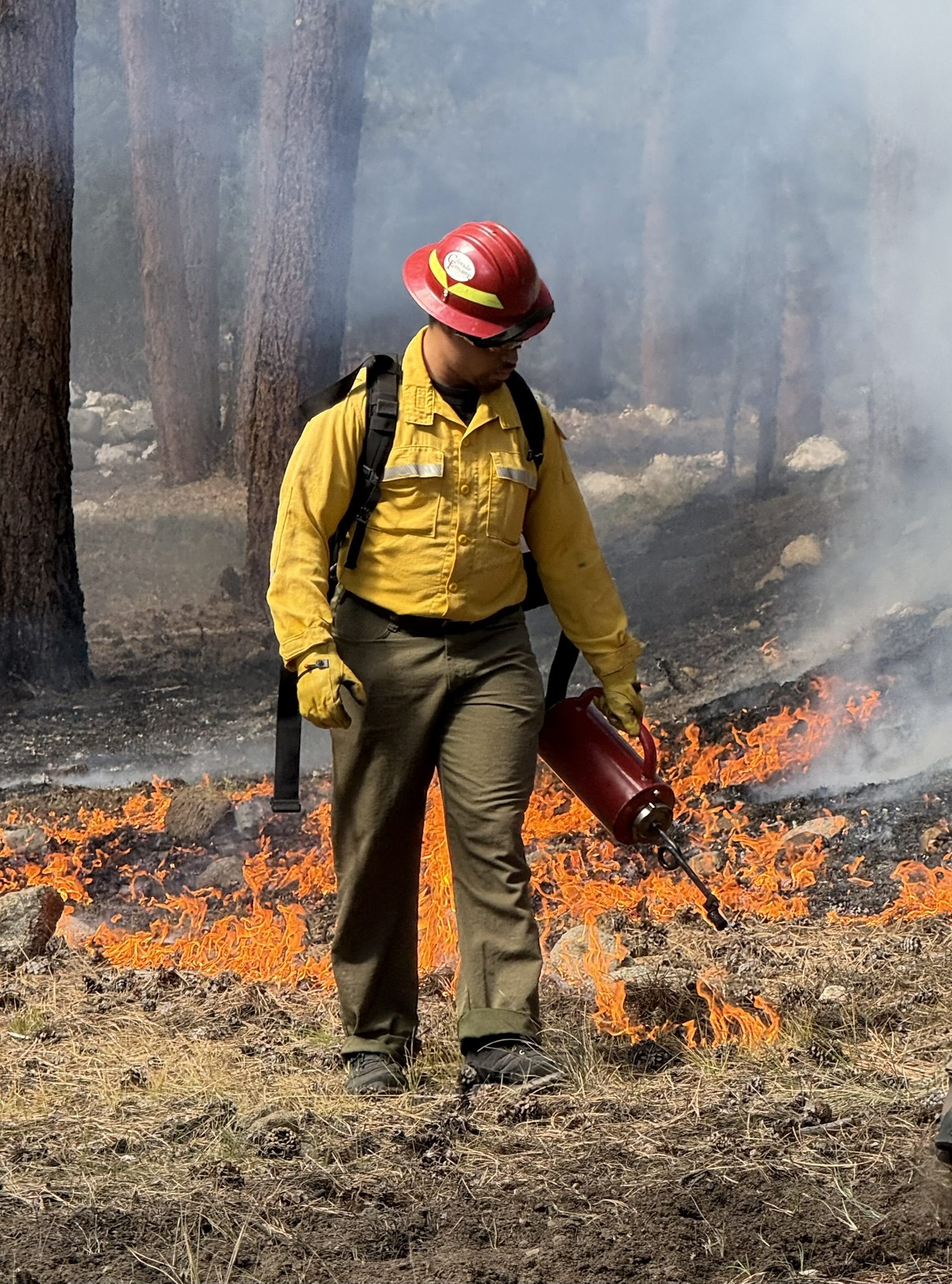
Your Experience Already Counts
Hold IFSAC or ProBoard certifications, Firefighter I or II, or an EMT-Basic license? You may qualify for up to 40 credits toward your degree.
Hold IFSAC or ProBoard certifications, Firefighter I or II, or an EMT-Basic license? You may qualify for up to 40 credits toward your degree.
Study 100% online, come to campus, or mix both.
Declare a fully online FERA major and you can get up to $1,000 per semester in scholarships that are not need-based.
FERA is a leadership degree for people working in fire and emergency services or preparing to enter it. It covers emergency management, personnel administration, incident command, disaster planning, community risk reduction, and the administrative side of running a fire and emergency services organization.
The online program delivers the same curriculum, faculty, and degree as the on-campus program. MSU Denver is one of a small number of four-year universities in the country, and the only one in Colorado, to hold FESHE recognition from the National Fire Academy. Each completed FESHE course earns you a certificate from the National Fire Academy toward your professional record.
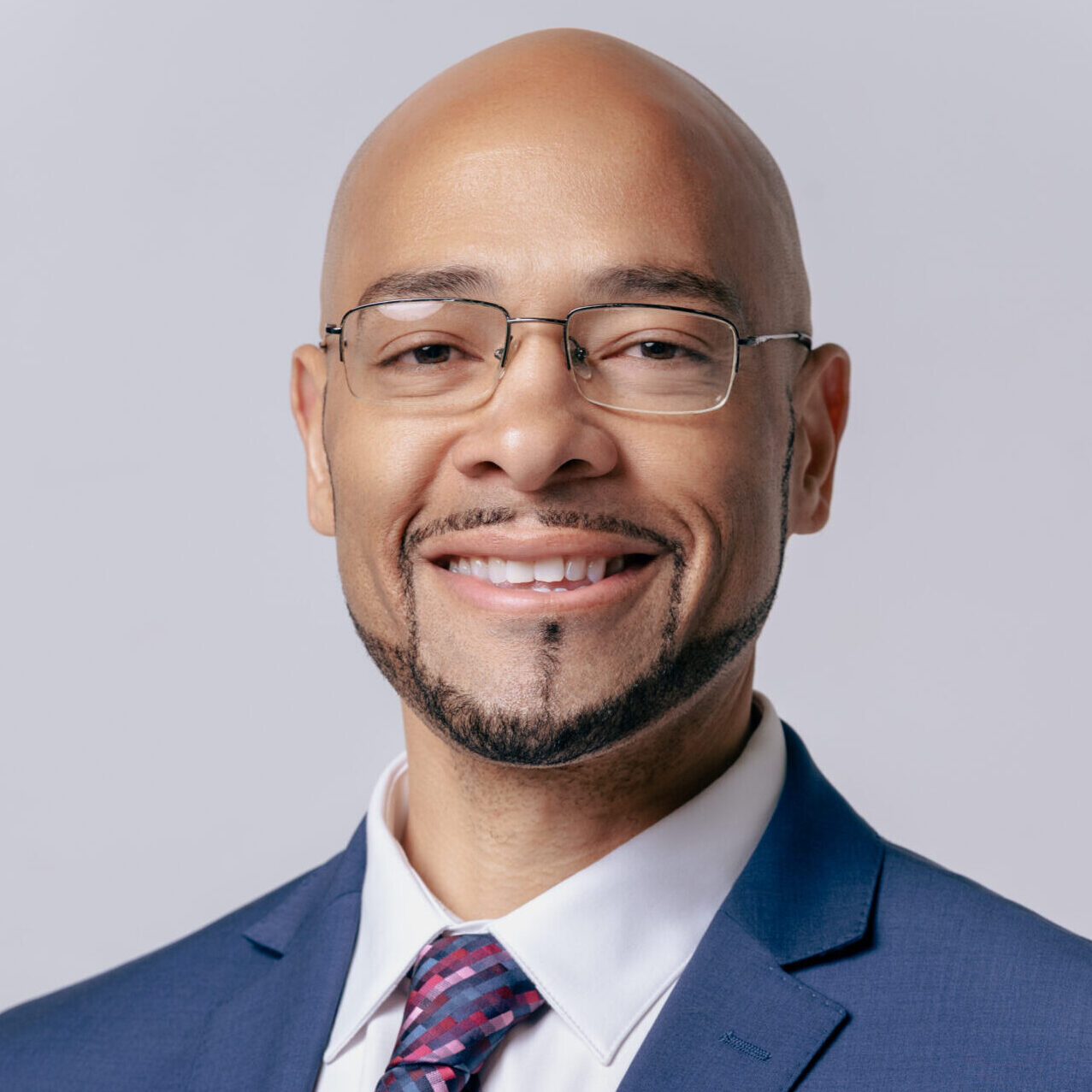
FERA faculty come from careers in fire and emergency services. They’ve worked as firefighters, battalion chiefs, emergency managers, and department administrators, and they bring that experience into the coursework.
Dr. Michael Jay Williams (pictured), interim director and program instructor, has more than 25 years in fire and emergency services, from frontline roles to senior leadership. His research on leadership and employee engagement in the fire service has been published in Firehouse Magazine and peer-reviewed academic journals.
FERA covers the full administrative and operational landscape of fire and emergency services.
The FERA program prepares you to lead across the full spectrum of emergency response, from the fireline to the executive office.
Here are examples of annual mean salaries for related professions in Colorado and nationally.
Sources: U.S. Bureau of Labor Statistics, Occupational Employment and Wage Statistics.
(Colorado data, May 2023) |
(National data, May 2024)
A FERA degree opens doors across the full spectrum of fire and emergency services, from entry-level positions in competitive departments to senior leadership roles that require a bachelor’s degree by policy. Many departments across Colorado and the country now require a degree for promotion to captain, battalion chief, or above.
Graduates work in roles including:
FERA graduates also move into fields many people don’t associate with fire and emergency services. The degree builds leadership and decision-making skills that apply wherever emergencies happen, including corporate crisis management, school and campus safety, public relations and communications, utilities and critical infrastructure, and insurance and risk management.
For those drawn to the technical side of the field, FERA also opens doors in fire investigation and forensics, wildland fire management, research and standards organizations, and hazardous materials response and planning.
Tell us a bit about yourself and we'll reach out via email.
Request InformationYou get the same faculty, the same degree, and the same student services that on-campus students receive.
Online does not mean alone at MSU Denver. We’re here for you.
If you hold IFSAC or ProBoard certifications, including Firefighter I or II, or an EMT-Basic license, you may qualify for up to 40 credits toward your degree. For many working fire service professionals, that’s roughly a third of the program already earned through the work you’ve done in the field.
MSU Denver has a formal partnership with the Denver Fire Department. Current FERA students can arrange ride-alongs with Denver Fire, putting classroom concepts directly alongside real department operations.
If you’re outside the Denver area, we can help connect you with a ride-along opportunity closer to where you are. The program’s ties to the fire service extend well beyond campus.
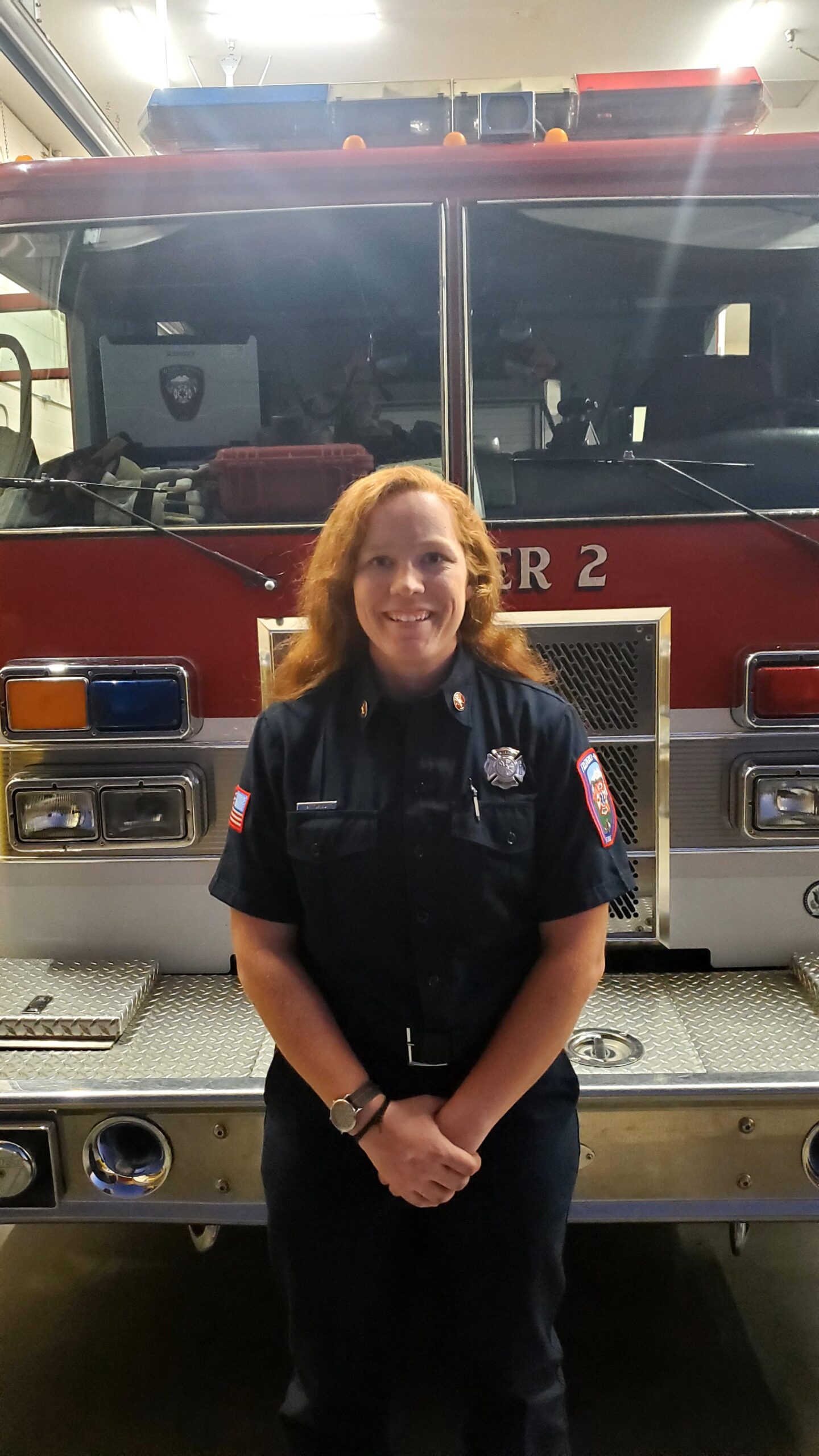
I love the way FERA classes are scheduled. The schedule really helped me excel as a full-time student while also working full-time and managing extra-curriculars. Also, the FERA program enables students to network with their peers and their professors, which is paramount in the fire service.
I'm extremely grateful for all the experiences I've had so far and for all the opportunities that lie ahead.

Frederick-Firestone Fire Department, FERA Program Grad '23
Low in-state tuition, reduced tuition for western states, scholarships exclusive to online majors, and GI Bill benefits for eligible veterans all make MSU Denver an affordable path to your FERA degree.
As low as $315.20 /credit*
Example: 12 credits — $4,703.36 total including tuition & fees.
*Colorado Opportunity Fund (COF) reduces per-credit costs for eligible Colorado residents.
As low as $646.80 /credit
Example: 12 credits — $7,761.84 total including tuition & fees.
Western Undergraduate Exchange (WUE) and Roadrunner Interstate Tuition (RIT) reduce nonresident costs for certain states.
Declare a fully online major and you may qualify for up to $1,000 per semester (fall/spring). No separate scholarship application is required. Learn more about eligibility and how it works.
MSU Denver is approved for VA education benefits. Learn more about veteran and military student services.
Exclusively online students save over $100 per semester in fees compared to on-campus students.
See detailed tuition and fee information: Undergraduate Tuition & Fees.
Figures shown are example 2025–26 rates.
Tell us a little about you and we’ll follow up by email with information about
Current student? Get help by emailing [email protected]
Share your info and we’ll follow up by email.
We’ll email you, not call, unless you ask us to.
Most applicants are admitted, and you will usually receive your admission decision within a few days.
Want to see how your credits may apply before you apply? Use Transferology to check how your previous classes may count toward your degree.
You are typically eligible for admission if you have a 2.0 or higher unweighted high school GPA, are 20 or older with a high school diploma or GED, or have 24 or more transferable college credits.