
Have Questions? We have answers.
Contact UsCHHS update on legislative affairs with Kaycee Gerhart


Kaycee Gerhart, MSU Denver’s Vice President of University Strategy and External Affairs, during the CHHS Virtual Training session on April 9, 2026
Faculty and staff across the College of Health and Human Sciences (CHHS) recently gathered for a virtual training session featuring legislative updates from Kaycee Gerhart, MSU Denver’s Vice President of University Strategy and External Affairs. The conversation offered a timely look at how state and federal policy decisions are shaping higher education and what that means for the CHHS community.
At the state level, the outlook is cautiously positive. Colorado entered this legislative cycle facing a projected budget shortfall of up to $1.5 billion, driven by rising costs in areas like K-12 education and Medicaid, along with changes in federal tax policy.
Despite these pressures, public higher education funding is expected to hold steady. While no new funding is anticipated, avoiding cuts is a meaningful win.
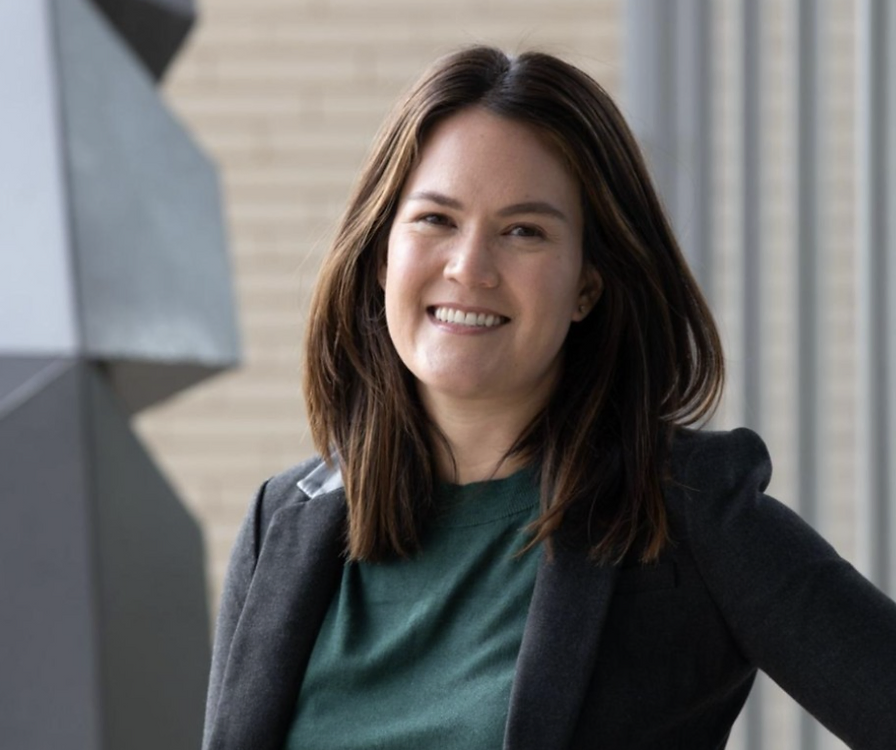
“We knew that when we were looking at a $1.5 billion gap… what was most likely to happen was cuts,” Gerhart said. “So to be in a position where higher ed is on track to not get cut… I couldn’t be more thrilled.”
For MSU Denver, that includes the restoration of approximately $800,000 from a prior mid-year reduction. The state has also set tuition increase caps at 3.5% for in-state students and 5% for out-of-state students, with final decisions to be made by institutional governing boards in June.
Gerhart emphasized that this outcome reflects sustained advocacy and a clear message about MSU Denver’s impact. That story is especially strong within CHHS, which delivered more than 800,000 hours of hands-on learning in the past year alone – an example she noted consistently resonates with lawmakers.
Several policy developments are also underway. At the state level, lawmakers are reviewing how higher education funding is distributed, with proposed updates that would better account for part-time students – an important factor for MSU Denver’s student working-student population.
Additional legislation aims to strengthen connections between higher education and workforce development, expand public service pathways, and reduce barriers for students completing required clinical or field experiences.
On the federal side, new regulations are introducing an “earnings standard” for postsecondary programs, tying eligibility for federal loans to graduate income outcomes. While MSU Denver is well-positioned to meet these benchmarks, Gerhart noted concern about an overly narrow definition of value.
“We’re not afraid of what this data says,” she said. “But we are worried that we’re only talking about the value of higher education from a single lens of economic and financial prosperity … not necessarily the civic and community impact our graduates have.”
Meanwhile, increased demand for financial aid, particularly Pell Grants, is creating long-term funding challenges at the federal level that could shape future policy decisions.
Throughout the session, Gerhart reinforced a central theme: storytelling matters, and the entire community play a key role in sharing the outcomes, experiences, and impact that define MSU Denver’s changemaking mission.
As the legislative landscape continues to evolve, CHHS remains a critical voice in demonstrating how higher education drives opportunity, strengthens communities, and meets urgent workforce needs.
Watch the full session below (captions available via CC button in player)