At MSU Denver, changemakers aren’t just our students, they’re also the faculty and staff who look at how things are done and ask, “Can we make this better?”
That spirit of innovation is exactly what sparked the 14’er Project, a new pilot launching in Spring 2026 through the Departments of Accounting and Economics and the Master of Professional Accountancy program. With a small but impactful five-minute modification to courses, these departments are testing a bold idea: shortening the traditional semester from 16 weeks to 14, giving students more flexibility while maintaining the same quality learning experience.
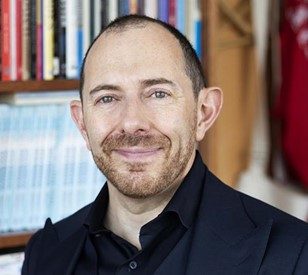
“It’s very exciting to have these programs engaging in making changes,” Vice Provost Shaun T. Schafer said. “Their willingness to pilot this effort will afford us an opportunity to see what impact this change has for our students, faculty and staff.”
This pilot program sprang the creativity and ingenuity of the academic affairs team as they sought to widen pathways for students to accelerate their progress to degree completion. Specifically, this effort started with consideration of the federal definition of a credit hour, the prevalence of 3-credit courses, and an interest in not sticking with business as usual.
- Under the federal credit hour definition, the minimum number of contact hours for 1 credit hour is 750 minutes.
- More than 80 percent of MSU Denver course offerings in Spring 2025 were 3-credit courses, so they meet for at least 2,250 minutes over the course of a semester.
- Most 3-credit courses meet twice per week for 75 minutes per session.
Knowing all the above, the pilot program was built around the question “How can we meet the contact hour goals in a shorter time span?,” Schafer said.
“We think it is an exciting opportunity for our students,” said Gregory Clifton, chair of the Department of Accounting. “We look forward to how this will be received.”
For the pilot program, semester start dates and class start times remain the same. They key change – shifting the passing time between classes from 15 minutes to 10 minutes – adds only five total minutes to each 75-minute session while deliver two free weeks for students as the semester comes to a close.
Consequently, this will also change the dates for students to drop a course with a reimbursement, as well as adjust the end of the semester dates, Bursar Mike McCabe said. A note on the date changes, prepared by McCabe, will also come to students specifically in these programs, and department classes, for the spring.
“We’re ultimately trying to provide students with a more flexible and efficient path to their degrees without compromising educational quality,” said Alexandre Padilla, chair of the Department of Economics. “The 14-week format maintains all required contact hours while potentially reducing students’ commuting burden and freeing up time for work or other commitments.”
At an institution where the vast majority of students hold down jobs, the shorter semester offers a change for more time to work seasonal positions or pick up additional hours during more weeks in the year. And – as our changemakers in academic affairs listen and learn about reactions – it potentially opens the door for more adjustments that allow for a greater balance of progress to completion, generating income, and refreshing mind, body, and spirit between long (fall, spring) and short (summer, Winterim, Maymester) academic terms.
There are also some potential drawbacks, Schafer said.
“Some students or faculty may feel rushed with only 10 minutes between class periods,” he said. “There may be other areas we have not considered. With the pilot, we will be able to measure student reactions, staff comments, and faculty adjustments to this change. This will allow us to make a data-informed decision on whether this change could benefit the university.”
If others are interested in joining this pilot program or commenting on it, feel free to contact Schafer at [email protected].