
Have Questions? We have answers.
Contact UsNavigating Change: Leadership Transitions and MSU Denver’s New Budget Model



L-R: Provost Matt Makley, Jess Retrum, Amy Middleton
During a recent virtual panel, MSU Denver Provost Matt Makley, Interim Dean of the College of Health and Human Sciences Jess Retrum, and Executive Director of Academic Affairs Budget and Strategy Amy Middleton addressed faculty and staff to discuss leadership changes, the state budget outlook, and the rollout of the university’s new hybrid budget model.
Makley opened the conversation by acknowledging the broader context shaping the moment, including geopolitical uncertainty and growing pressure on public higher education. With Colorado facing a structural state budget deficit of roughly $800 million, higher education once again risks being treated as a discretionary expense. While the governor has proposed a modest increase for higher education – estimated at $800,000 to just over $1 million for MSU Denver – Makley emphasized that it falls short of covering mandatory costs and that the funding gap makes covering operational expenses challenging.

“Seventy-seven percent of the university’s budget is dedicated to people, because we’re in a people business – and that’s right,” Makley said. “The people who depend on us don’t go away when the world becomes more complicated, and that’s why the work you do every day matters so much.”
To avoid reactive cuts, the university is proactively planning for multiple scenarios, including potential 3%, 5%, or 7% reductions, should state funding fall short. Makley stressed that this planning is about foresight, not fear. “You don’t cut your way to success,” he said, echoing President Janine Davidson’s long-standing position. “If you’re cutting, it usually means you didn’t plan far enough ahead.”
That long-term planning is central to MSU Denver’s transition from an incremental budget process to a hybrid Responsibility-Centered Management (RCM) model, which Middleton walked through in detail. Under the new model, the university’s approximately $240 million in annual operating revenue is split between colleges and centralized operations – roughly 51% to colleges and schools and 49% to central services. College allocations are driven by transparent, student-centered metrics such as enrollment, credit hours, completions, and equity-focused factors like first-generation student enrollment.
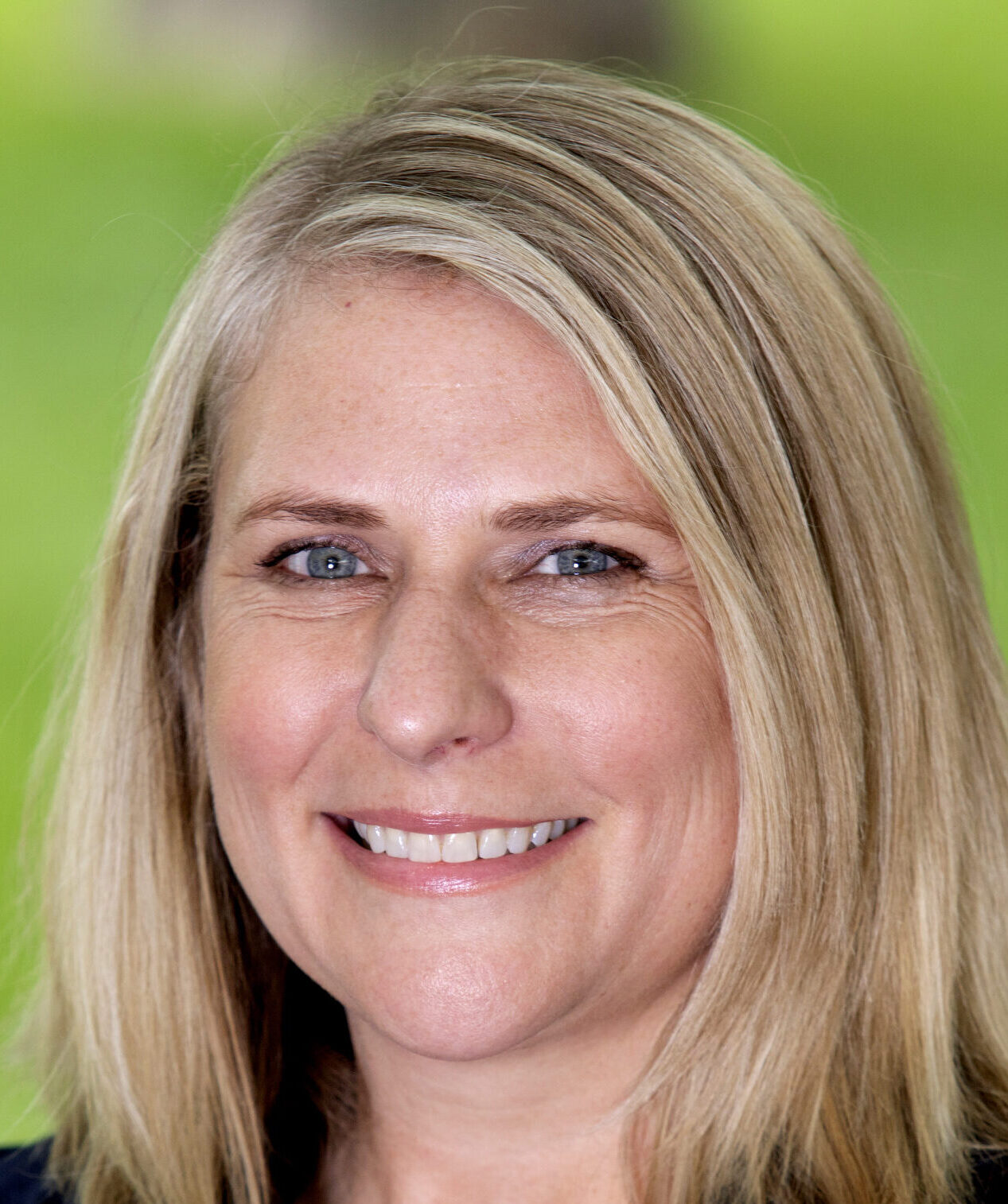
“This isn’t about cutting budgets, it’s about allocating resources more transparently and responsibly,” Middleton explained. Importantly, she emphasized that no college will receive a budget cut as a result of the new model’s rollout, and that all units are held harmless in year one.
For CHHS specifically, the outlook is strong. “CHHS is in the black under the new budget model, and that’s very good news,” Retrum shared. “We’re starting from a position of strength, not deficit.” She noted that graduate program growth and careful financial stewardship have positioned the college well, even as leaders engage in contingency planning.
Retrum also reaffirmed her commitment to shared governance and transparency during this interim period.
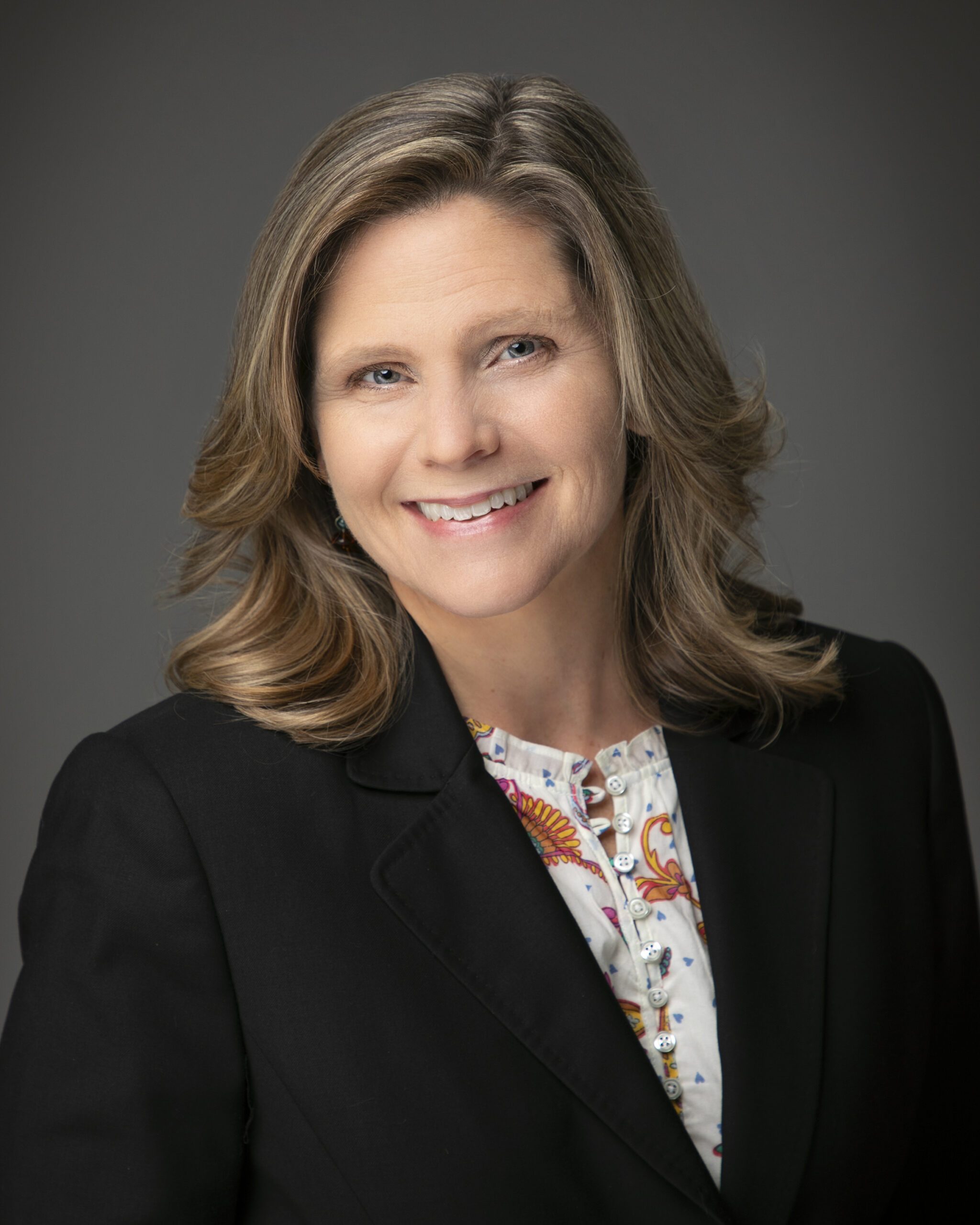
“You can’t make decisions like this in a vacuum,” she said. “Our goal is to protect our people, our programs, and our students while planning responsibly for the future.”
Together, the panel underscored a consistent message: while the financial landscape is challenging, According to the panelists, MSU Denver and CHHS are approaching it with intention, openness, and a clear focus on student success, today and decades from now.
To watch a recording of the panel discussion, click here (MSU Denver login required)