
Have Questions? We have answers.
Contact UsCHHS Spotlight: Q+A with Jess Retrum


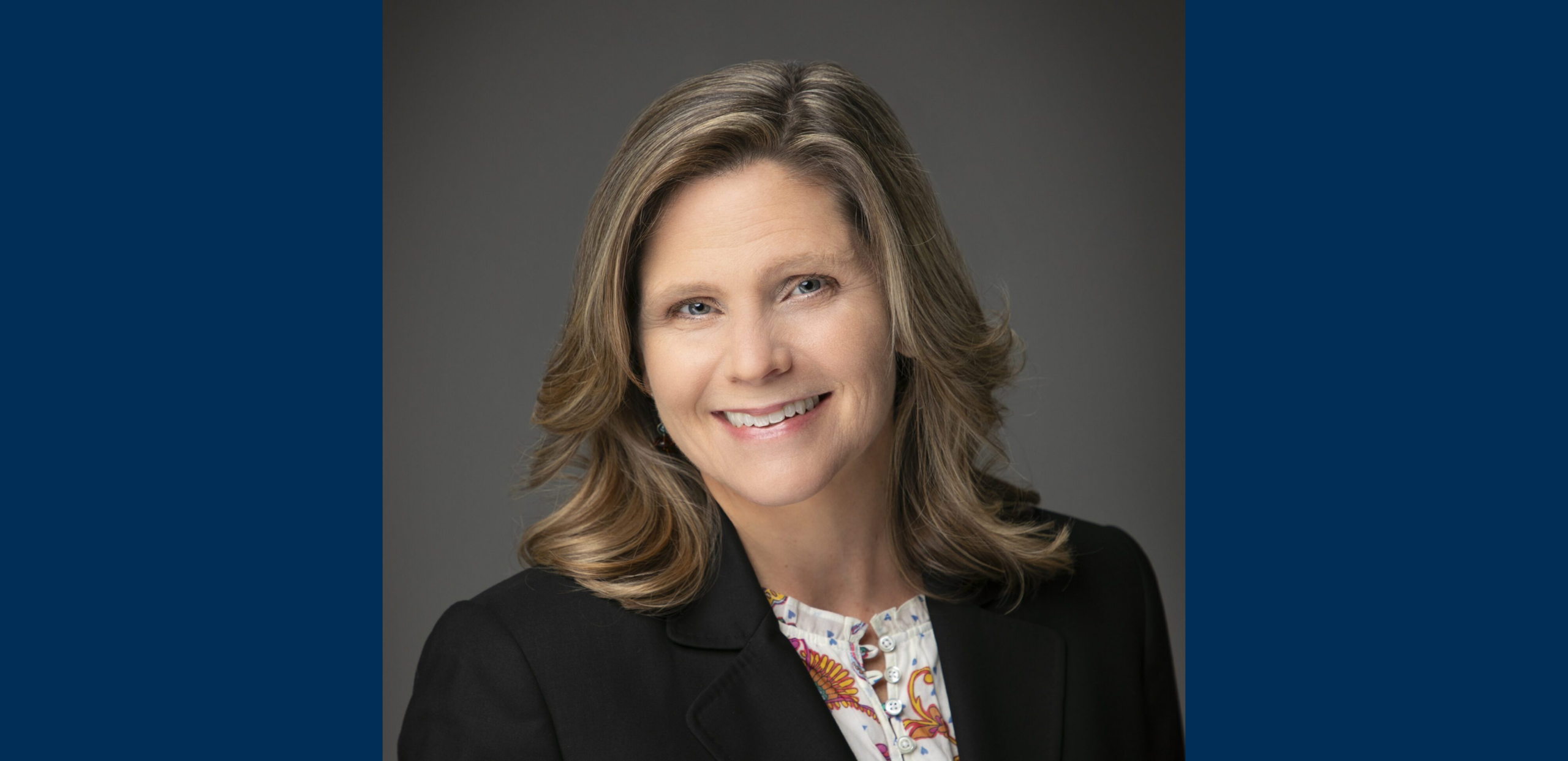
Interim Dean of CHHS, Jess Retrum, Ph.D.
Interim Dean of the College of Health and Human Sciences Jess Retrum, Ph.D., brings more than a decade of experience at Metropolitan State University of Denver. As a faculty member, scholar, and department chair, her past clinical experience in human services and health care settings grounds her with knowledge of how to work with many disciplines.
We caught up to learn about how her past leadership focused on building interdisciplinary programs, securing major workforce development grants, and strengthening partnerships that prepare students for careers in health and human sciences.
Jess, thank you for taking the time to answer some questions. You’re stepping into the interim Dean role at a critical moment for CHHS. What are you looking forward to about the opportunity?
Jess Retrum: The thing that excites me most is the chance to support our College in addressing Colorado’s most pressing workforce needs: health care, behavioral health, community well-being, and public safety.
Throughout my career as a practitioner and program evaluator, I have been motivated by connecting education with community impact. As a faculty member and department chair, I’ve worked closely with partners across health systems, nonprofits, and state agencies to build training pathways that prepare students to practice and lead in these areas.
Now, stepping into the interim Dean role allows me to help coordinate those efforts across the entire College. I’m energized by the opportunity to align our programs, faculty expertise, and community partnerships so that we grow enrollment while expanding our impact on the workforce in Colorado.
CHHS is facing pressures related to budget and enrollment. What is your approach to leadership during this time?
JR: My experience as a department chair has required balancing those exact issues – aligning faculty workload, course offerings, and student demand while maintaining program quality.
As chair for the past 9 years, I have worked closely with faculty and staff to ensure teaching assignments and course scheduling are responsive to enrollment needs while supporting student success. I’ve led and supported faculty teams on grant-funded initiatives designed to grow the behavioral-health workforce and expand educational access for students pursuing those careers.
These efforts require strategic budgeting, cross-sector partnerships, and careful planning to ensure sustainability. The combination of operational leadership through several years on MSU Denver’s strategic enrollment management committee, I have developed enrollment strategy awareness, and resource development has prepared me well to help guide the College through a period of fiscal stewardship and strategic growth.
Strategic enrollment management will be critical moving forward. What opportunities do you see for CHHS in this area?
JR: I see significant opportunities in strengthening the connection between our academic programs and workforce demand. Most of the academic units within our College – nursing, social work, nutrition, criminal justice, counseling, and other health–related professions – are all experiencing strong labor market demand.
By deepening partnerships with health systems, community organizations, and state agencies, we can design pathways that make it easier for students to see a clear line from their education to meaningful employment.
We can also continue to expand innovative models such as apprenticeships, simulated and real-life training, and interdisciplinary learning experiences. These approaches not only attract students, but they also improve retention because students understand the relevance of what they are learning and see themselves as future professionals from the very beginning.
Your career background consists of being both a scholar and practitioner. How does that inform your leadership style?
JR: It’s grounded in collaboration and evidence-informed decision making. My research has often focused on how networks and partnerships function effectively – whether in public health systems or community organizations. I also believe that encouraging trusting relationships among team members focused on a common mission leads to positive outcomes for students, and in turn, our communities.
That perspective informs me for how I lead. I believe strong teams and institutions rely on trust, communication, and shared purpose across faculty, staff, and external partners. At the same time, my background in research and program evaluation helps me approach challenges analytically.
Whether we’re discussing enrollment trends, student-success outcomes, or resource allocation, I value grounding decisions in data while also listening carefully to the experiences of those doing the work on the ground.
Is there a specific sentiment you would like to share with faculty, staff, and students as you begin your time as interim Dean?
JR: My message is one of gratitude and shared commitment. The faculty and staff in CHHS are deeply dedicated to preparing the next generation of professionals who will care for our communities. That mission is more important than ever.
My goal as interim Dean is to support the people doing that work – ensuring they have the resources, clarity, and collaboration needed to succeed. At the same time, we will stay focused on strategic growth: strengthening enrollment, supporting student persistence, and positioning the College to fully leverage the opportunities that come with our new health training facilities and workforce partnerships.
I see this moment not only as a challenge, but also as an opportunity for CHHS to step forward as a national leader in health and human science education.