
Have Questions? We have answers.
Contact Us
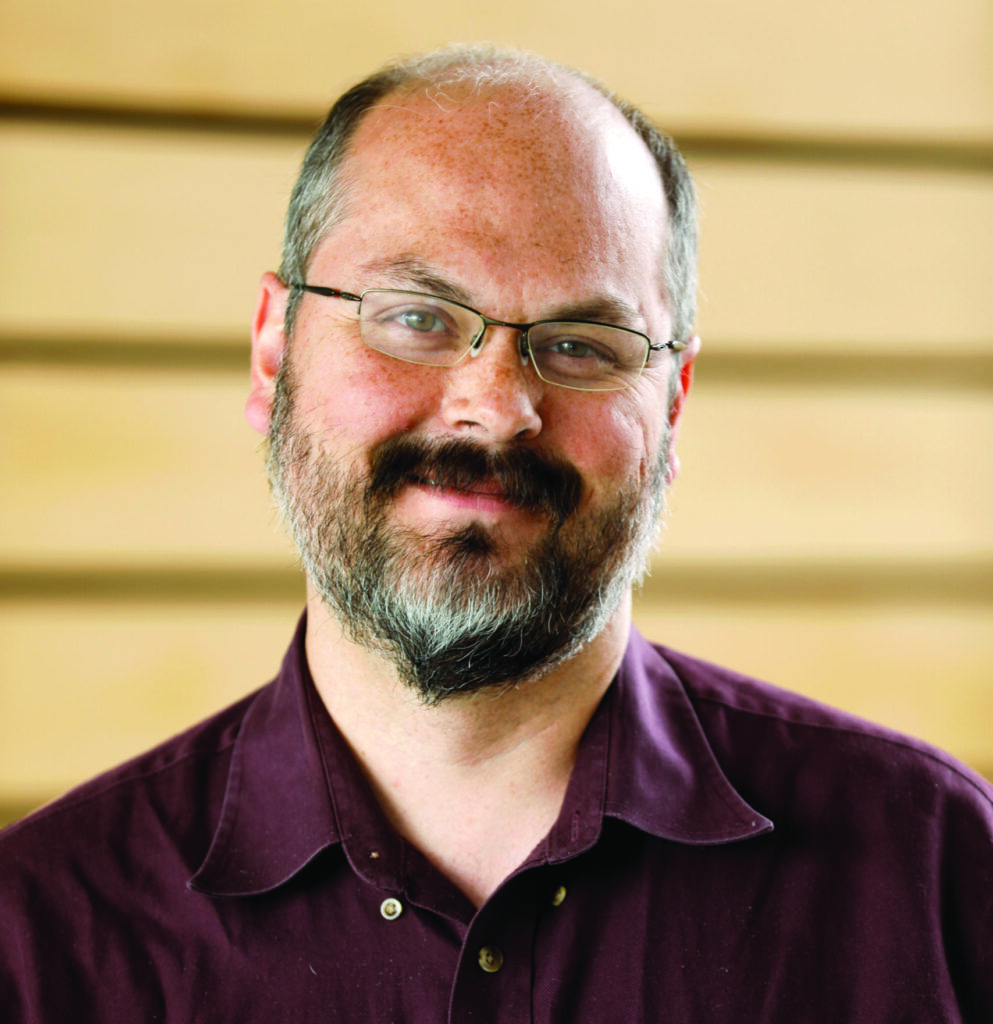
Andrew McMillan
Senior Lecturer of Chemistry and Biochemistry
Chemistry and Biochemistry
[email protected]Bio
Dr. McMillan received a B.A. from the University of Colorado in Boulder with a double major in Biochemistry and Molecular, Cellular, and Developmental Biology. He then earned at PhD in Biochemistry from the University of Washington in Seattle as part of the Biomolecular Structure and Design Graduate program. He also completed a postdoctoral fellowship in the department of Biochemistry and Biophysics at Texas A&M University in College Station.Degree
Other in
Texas A&M
PhD in Biochemistry
University of Washington
BA in Molecular Cellular and Developmental Biology, Biochemistry
University of Colorado
Published Works
- Poch, D., McMillan, A. . Mutational Influence of the SARS-CoV-2 Spike Protein on the Molecular Fitness of the Novel Omicron Variant. .
- M, W. A., Truong, D., Morey, W. C., Glasner, E. M. . Evolution of Catalytic Promiscuity Observed in Reconstructed Ancestral Enzymes . .
- McMillan, W. A., Morse, C. B., Wattam, R., Glasner, E. M. . Genome context illustrates recruitment of a promiscuous N-succinylamino acid racemase into multiple metabolic pathways. .
- McMillan, A. (2020). BIOCHEMISTRY LABORATORY MANUAL CHE 4350. ,
- McMillan, A. (2019). CHE 2150 Lab Manual. ,
- Nem, S., McMillan, A. . The Effect of Urea Denaturation on Fluorescence Intensity in mPlum and BFP2 . Rowdy Scholar.
- Odokonyero, D., McMillan, W. A., Ramagopal, U., Toro, R., Zhu, M., Lopez, S. M., Somiari, B., Herman, M., Aziz, A., Bonanno, B. J., Hull, K., Burley, K. S., Romo, D., Almo, C. S., Glasner, E. M. (2018). Comparison of Alicyclobacillus acidocaldarius o-Succinylbenzoate Synthase to Its Promiscuous N-Succinylamino Acid Racemase/ o-Succinylbenzoate Synthase Relatives.. Biochemistry, 57(26), 3676-3689. https://doi.org/10.1021/acs.biochem.8b00088.
- Brizendine, M. A., Odokonyero, D., McMillan, A., Zhu, M., Hull, K., Romo, D., Glasner, E. M. (2014). Promiscuity of Exiguobacterium sp. AT1b o-succinylbenzoate synthase illustrates evolutionary transitions in the OSBS family.. Biochemical and biophysical research communications, 450(1), 679-84. https://doi.org/10.1016/j.bbrc.2014.06.034.
- McMillan, A., Lopez, S. M., Zhu, M., Morse, C. B., Yeo, C. I., Amos, J., Hull, K., Romo, D., Glasner, E. M. (2014). Role of an active site loop in the promiscuous activities of Amycolatopsis sp. T-1-60 NSAR/OSBS.. Biochemistry, 53(27), 4434-44. https://doi.org/10.1021/bi500573v.
- McMillan, A., Kier, L. B., Shu, I., Byrne, A., Andersen, H. N., Parson, W. W. (2013). Fluorescence of tryptophan in designed hairpin and Trp-cage miniproteins: measurements of fluorescence yields and calculations by quantum mechanical molecular dynamics simulations.. The journal of physical chemistry. B, 117(6), 1790-809. https://doi.org/10.1021/jp3097378.
- Rutherford, K., Alphandéry, E., McMillan, A., Daggett, V., Parson, W. W. (2008). The V108M mutation decreases the structural stability of catechol O-methyltransferase.. Biochimica et biophysica acta, 1784(7-8), 1098-105. https://doi.org/10.1016/j.bbapap.2008.04.006.
- Yeh, P. A., McMillan, A., Stowell, H. M. (2006). Rapid and simple protein-stability screens: application to membrane proteins.. Acta crystallographica. Section D, Biological crystallography, 62(Pt 4), 451-7. https://doi.org/10.1107/S0907444906005233.
Research Interests
Dr. McMillan’s research has focused on using a variety of different experimental and computational methods to investigate how changes in protein sequence result in different physical and biochemical properties. He is developing Course Based Undergraduate Research (CURE) projects to be incorporated into his teaching focusing on substrate and inhibitor specificity of enzymes in the Malate/Lactate Dehydrogenase family of proteins.
His graduate work looked at how changes in nearby amino acids influence tryptophan fluorescence. During his postdoctoral research he studied the evolution of new enzyme activities in a family of bacterial proteins.
He is also interested science communication related to public outreach and science policy.
Teaching Interests
As my teaching focuses on lab courses, I emphasize the importance of practical skills and how they may be applied to future work, both in the lab and how similar skills may be applicable to other fields. Especially in upper level classes I try to help students transition to be more independent in the lab and develop the ability to critically evaluate their own work and experimental design, as well as the work of others.
Courses Typically taught:
CHE4350 Biochemistry Lab
CHE4360 Computational Biochemistry Lab
CHE4310 Biochemistry I (summer only)
CHE2150 Intro to Organic Chemistry and Biochemistry Lab
CHE1801/1811 General Chemistry Lab 1 and 2
Office Hours
See schedule posted of chemistry department website for current semester schedule
https://www.msudenver.edu/chemistry/faculty-and-staff-directory/#faculty-office-hours