
Have Questions? We have answers.
Contact UsCHHS Spotlight: Jane Flournoy on the BHAM Training Counseling Clinic and giving students direct experience



BHAM- short for "behavioral health addictions masters" - offers no-cost counseling services offered to the MSU Denver community.
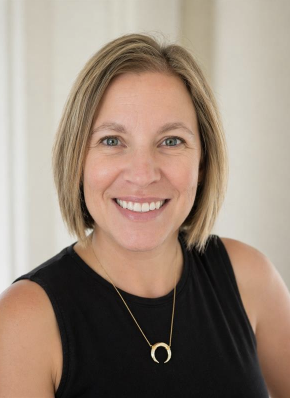
MSU Denver’s BHAM Training Counseling Clinic gives graduate students supervised, hands-on experience while providing counseling services to people who need them. We spoke with Jane Flournoy, Ph.D., LMFT, LPC, LAC, clinical director for the Department of Human Services and Counseling, about how the clinic prepares future behavioral health counselors, the services it offers and how its move to the DHI Tower could support its growth.
What is the purpose of the BHAM Training Counseling Clinic, and what services does it offer?
The BHAM Training Counseling Clinic supports BHAM students as they develop practical clinical skills under faculty supervision while providing counseling services to clients. Practicum students provide direct counseling and receive individual, triadic and group supervision. Their training also includes role-play exercises, simulated sessions, recorded-session reviews, clinical supervision and client feedback.
Our clinic offers in-person and virtual counseling. Sessions take place on-site or through Zoom for Healthcare, with faculty supervision and live monitoring.
When did the clinic begin, and why was it created?
The BHAM Training Counseling Clinic began in 2022 as part of the Master of Science in Clinical Behavioral Health, Emphasis in Addictions Counseling program curriculum. It was created to help prepare ethical, culturally responsive and evidence-based behavioral health counselors to serve individuals, families, groups and communities in mental health, addiction, prevention, treatment and recovery settings. The program also prepares graduates for Colorado licensure pathways as licensed professional counselors (LPCs) and licensed addiction counselors (LACs).
How is the clinic an opportunity for both students and the community? Who can access its services?
The clinic offers valuable opportunities for students and the community alike. Students gain early hands-on clinical experience, direct client contact, intensive faculty supervision and the chance to develop counseling competencies in a supervised training environment. This experience also helps prepare them for internships, licensure and future employment.
For the community, the clinic expands access to much-needed outpatient behavioral health services while helping develop Colorado’s future behavioral health workforce. Services are available to university members and community members throughout the Denver metro area. People elsewhere in Colorado can also participate virtually.
How many clients have used the clinic’s services?
The program began tracking client numbers and clinical hours in 2024. On average, it serves 20 to 25 clients and provides about 120 clinical hours each semester.
Has the clinic helped students find jobs, or have you heard from community partners about its impact?
Supervisors at our approved Practicum II and internship sites routinely describe our graduate students as well-prepared. A number of programs have offered students professional, paid roles after graduation.
What will moving into the DHI Tower mean for the clinic and its services?
Moving into the new DHI Tower will help the program expand its oversight of services and the types of services it offers. The move will support the addition of more evening services and, moving forward, expanded offerings such as group counseling.
Is there anything else you’d like people to know about the program?
This program prepares future counselors to meet a critical need for mental health and substance use services in the community. Its focus on preparing students for dual licensure helps develop competent, responsive clinicians. Our students are well-supported, eager to work with people in need and grateful to carry these experiences into their careers.