
Have Questions? We have answers.
Contact UsEvents Schedule
Thursday, October 8, 2026
Campus Keynote Address and Community Engagement
- Campus keynote address
- Class visits
- Engagement with select campus and community groups
Spring Break, March 2027
CHS 390K: Indigenous Feminist Futures
- One-week international study abroad course
- Led by Instructor Shayla Bischoff
April 20th 2027
MSU Denver Night at the DAM
Community Conversation
Exhibit: Maya Women Across Time
- Panel discussion and community event celebrating the opening of Maya Women Across Time at the Denver Art Museum
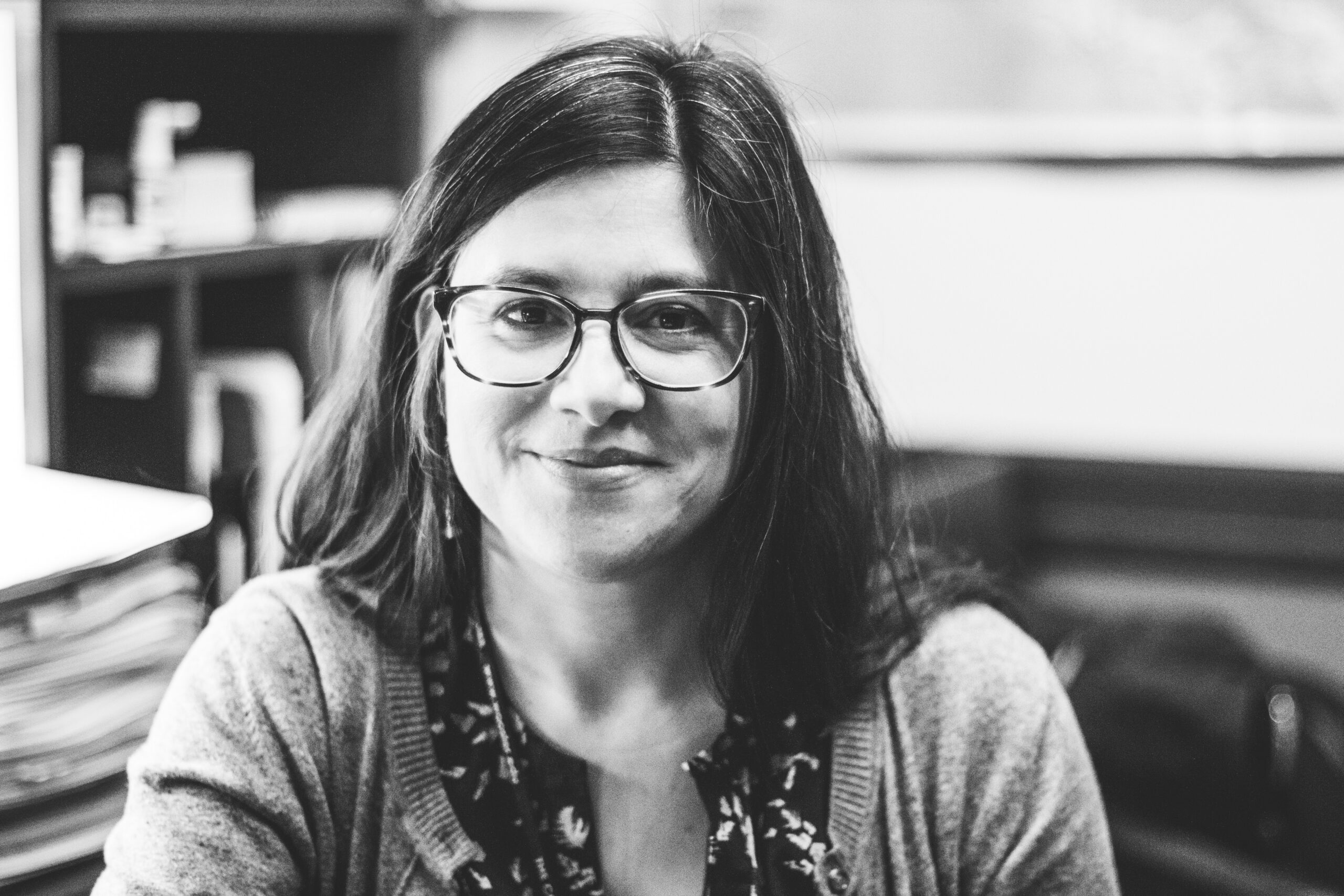
Olivia C. Navarro-Farr, Ph.D.
Olivia C. Navarro-Farr is a Professor of Anthropology and Archaeology and the Chair of the Program in Archaeology at the College of Wooster. She holds a B.A. from St. Mary’s University and an M.A. and Ph.D. from Southern Methodist University.
She teaches courses in archaeology, anthropology, and ancient Mesoamerica. She has worked in the Maya area since 1997 on archaeological projects in Belize, Mexico, and Guatemala and she has served as director of the Proyecto Arqueológico Waka’ (PAW) with David Del Cid of San Carlos University of Guatemala and Damien Marken of The Commonwealth University of Pennsylvania since 2017. She began working on that project as a graduate student in 2003. Dr. Navarro-Farr has published in various academic archaeology and anthropology journals, including Latin American Antiquity, Feminist Anthropology, Ancient Mesoamerica, and she has numerous chapters in various edited volumes.
She is also co-editor (with Michelle Rich) of Archaeology at El Perú -Waka’: Performances of Ritual, Memory, and Power detailing research at ancient El Perú -Waka’. She has directed investigations at Waka’s primary civic-ceremonial structure since 2003.
Her interests include the archaeology of ritual, monumental architecture, site abandonment processes, Classic Period Maya (~250-850 CE) politics, and the role of royal women in Classic Maya statecraft.
Research Highlights
- Ancient Maya archaeology
- El Perú-Waka’ archaeological investigations
- Ritual and monumental architecture
- Classic Maya politics
- Royal women and statecraft
- Indigenous histories and cultural heritage
Richard T. and Virginia M. Castro Distinguished Visiting Professorship
Originally started as the Richard T. Castro Distinguished Visiting Professorship was initiated in 1997 to foster multiculturalism, diversity, and academic excellence at Metropolitan State University of Denver. In 2021 the name changed to Richard T. and Virginia M. Castro Distinguished Visiting Professorship to recognize the labor and passion that Virginia Castro brought to the Chicano movement in Denver with Richard. The professorship brings renowned Latinx scholars, artists, and leaders of distinction to MSU Denver to conduct classes, seminars, performances, and lectures for students, faculty, staff, and the larger Denver community.
About Richard T. Castro
Richard T. Castro (1946-1991), an educational and civil rights activist, was one of Colorado’s true champions of disenfranchised communities. From a young street social worker in the early 1970s to executive director of Denver’s civil rights agency, Castro was known as a fighter for human justice and dignity. At 25, Castro became one of the youngest lawmakers ever elected to the House of Representatives, a post he held for five terms. Castro led many struggles for social justice, including opposition to English-only legislation. He was a leading spokesperson in the debate on Mexican immigration. A bust commemorating Castro, sculpted by noted Denver artist Emanuel Martinez, sits in the rotunda of the state capitol.
An Activist at MSU Denver
Castro was an early instructor in what would become the Chicana/o Studies Department at MSU Denver. He was an outspoken leader on the importance of education to meet the needs of a culturally diverse population.
A Denver native, Castro received his bachelor’s degree from MSU Denver and his master’s degree in community organization from the University of Denver. While working his way through DU, he taught part-time at MSU Denver and was a youth counselor. He was a student activist with such organizations as the Displaced Aurarians and the United Farm Workers. During that time, Castro was arrested after intervening when police allegedly beat a Latino youth. The incident sparked an intense awareness of relations between the police and the Latino population. Throughout this incident and others like it, Castro advocated change through education and politics, rather than violence.
Castro once said, “Education’s role in our society cannot be minimized…It is quite probably the most critical investment a people can make.”
The Richard T. Castro Professorship illustrates how MSU Denver continues to build on its multicultural heritage and commitment to diversity. MSU Denver enrolls the highest number of students of color of all the four-year colleges and universities in the state.
The University is a Hispanic-Serving Institution. Becoming an HSI was a 12-year initiative that started in 2007 leading to Metropolitan State University of Denver receiving designation during the Spring of 2019. MSU Denver aspires to become a model Hispanic-Serving Institution by creating and sustaining initiatives that support students as they achieve their academic goals and prepare for their careers.